Buy tataria.eu ?
We are moving the project
tataria.eu .
Are you interested in purchasing the domain
tataria.eu ?
domain@kv-gmbh.de · 0541-91531010
Buy tataria.eu ?
What is a neurotransmitter?
A neurotransmitter is a chemical messenger that transmits signals between neurons, allowing for communication within the brain and nervous system. These molecules are released from the axon terminal of one neuron and bind to receptors on the dendrites of another neuron, triggering a response. Neurotransmitters play a crucial role in regulating various functions such as mood, memory, sleep, and muscle movement. Imbalances in neurotransmitter levels have been linked to various neurological and psychiatric disorders. **
What is the neurotransmitter of the synapse?
The neurotransmitter of the synapse is a chemical messenger that carries signals between neurons. It is released from the presynaptic neuron into the synaptic cleft, where it binds to receptors on the postsynaptic neuron, transmitting the signal. Some common neurotransmitters include dopamine, serotonin, and acetylcholine. **

Similar search terms for Neurotransmitter
Top-Angebote
Products related to Neurotransmitter:
-
Titan Assassins Creed - The Complete Visual History: The Definitive Visual HistoryThis stunning book explores the rich mythology of Assassins Creed®, featuring the art and history of the series from the first groundbreaking game through the graphic novels to the DLCs. Highlighting the lush and vibrant art that has become a hallmark of the series, this luxury coffee-table book brings the games famous historical locations and figures to life and explores the evolution of each iconic Assassin and Templar.15,99 £*Shipping: 2,99 £Secure redirect to the provider
-
Fox Eye Publishing Introduction to History 20 Books Collection Box Set – Educational History Learning CollectionIntroduction to History 20 Books Collection Box Set (The Aztecs, Castles, Celts, Ancient China, Discovering the Past, Egyptians, Ancient Greeks, The Maya, Romans, Vikings, Great Explorers and More) Books in This Collection: Introduction to The Aztecs Introduction to Castles Introduction to Celts Introduction to Ancient China Introduction to Discovering the Past Introduction to Egyptians Introduction to Ancient Greeks Introduction to The Maya Introduction to Romans Introduction to Vikings Introduction to Great Explorers Introduction to Great Inventors Introduction to Great Scientists Introduction to Industrial Revolution Introduction to Kingdoms of the Past Introduction to Mysterious Tombs and Treasures Introduction to Strange Places Introduction to The Victorians Introduction to World War I Introduction to World War II12,99 £*Shipping: 2,99 £Secure redirect to the provider
-
OM Books International Encyclopedia of History 8 Books Collection Set – World War History & Educational Learning CollectionEncyclopedia of History set of 8 books (World War I, World War II, World War II and Indias Freedom Struggle, Mid Nineteenth and Twentieth Centuries, The French Revolution & More): Titles in This Set: Encyclopedia: World War I Encyclopedia: World War II Encyclopedia: World War II and Indias Freedom Struggle Encyclopedia: Mid Nineteenth and Twentieth Centuries Encyclopedia: The French Revolution Encyclopedia: Middle Ages and the Emergence of Modern Europe Encyclopedia: Prominent Civilisations Encyclopedia: Ancient History Description: What made humans the way they are today? How were civilisations formed and erased? What makes up history? Get answers to all the questions and more in this history encyclopedia. Go back in time and learn all about human history, right from the time man began his journey in stone caves. Relive epic battles, learn about the rise and fall of great empires and a lot more.9,90 £*Shipping: 2,99 £Secure redirect to the provider




-
How do nerve cells know which neurotransmitter to release?
Nerve cells know which neurotransmitter to release based on the type of stimulus they receive and the specific receptors they have. When a nerve cell is activated, it releases the neurotransmitter that is best suited to transmit the specific signal it is receiving. This process is regulated by the cell's internal mechanisms and is influenced by the surrounding environment and the activity of other neurons. Additionally, the type of neurotransmitter released can also be influenced by the specific type of nerve cell and its location within the nervous system. **
-
Why is there a disrupted neurotransmitter metabolism in the brain?
Disrupted neurotransmitter metabolism in the brain can occur due to various factors such as genetic predisposition, environmental influences, or neurodegenerative diseases. Imbalances in neurotransmitter levels can lead to altered communication between neurons, affecting mood, cognition, and behavior. Factors like stress, poor diet, lack of sleep, and certain medications can also contribute to disruptions in neurotransmitter metabolism. Proper functioning of neurotransmitters is crucial for maintaining overall brain health and any disturbances in their metabolism can lead to neurological and psychiatric disorders. **
-
Why is it important for the neurotransmitter in the synaptic cleft to be broken down?
It is important for the neurotransmitter in the synaptic cleft to be broken down to ensure that the signal transmission between neurons is precise and controlled. If the neurotransmitter remains in the synaptic cleft for an extended period, it can lead to overstimulation of the postsynaptic neuron, causing continuous firing and potential damage. Breaking down the neurotransmitter helps regulate the duration and intensity of the signal, allowing for proper communication between neurons and preventing excessive excitation. **
-
Why is it important for the neurotransmitter to be broken down in the synaptic cleft?
It is important for the neurotransmitter to be broken down in the synaptic cleft to ensure that the signal between neurons is terminated efficiently. If the neurotransmitter remains active for too long, it can lead to overstimulation of the postsynaptic neuron, causing continuous firing and potential damage. Breaking down the neurotransmitter helps regulate the communication between neurons and prevents excessive signaling, allowing for precise and controlled transmission of information in the brain. **


Why is it important that the neurotransmitter in the synaptic cleft is broken down again?
It is important that the neurotransmitter in the synaptic cleft is broken down again to ensure proper signaling between neurons. If the neurotransmitter remains in the synaptic cleft for an extended period, it can lead to overstimulation of the postsynaptic neuron, causing continuous signaling and potential damage. Breaking down the neurotransmitter allows for the termination of the signal, resetting the system for the next neuronal communication. This process helps maintain the balance and efficiency of neurotransmission in the brain. **
Why is it important for the neurotransmitter in the synaptic cleft to be broken down again?
It is important for the neurotransmitter in the synaptic cleft to be broken down again to ensure that the signal transmission between neurons is precise and controlled. If the neurotransmitter remains in the synaptic cleft for an extended period, it can lead to overstimulation of the postsynaptic neuron, disrupting the normal functioning of the nervous system. Breaking down the neurotransmitter allows for the termination of the signal, enabling the neurons to reset and be ready for the next transmission. This process helps maintain the balance and efficiency of neuronal communication in the brain. **
Top-Angebote
Products related to Neurotransmitter:
-
From the Archives: Black History and Culture Value PackThis brand-new series is rooted in a profound commitment to shedding light on some of the important -- and often lesser-known -- aspects of Black history. From the Archives features landmarks, events, people, and artistic endeavors that have played...26,99 $*Shipping: 0,00 $Secure redirect to the provider
-
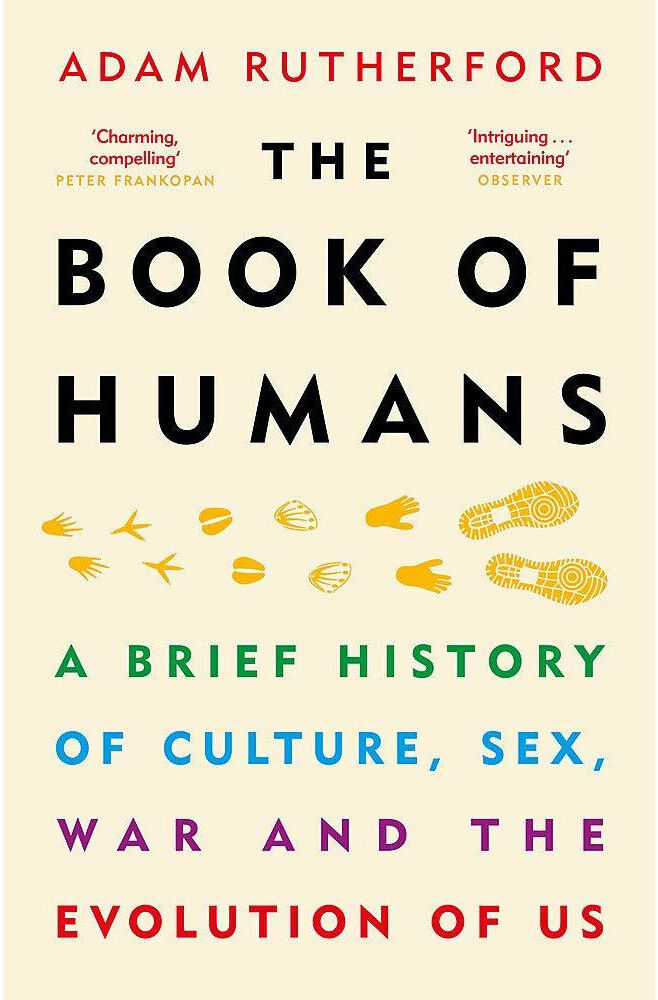
Orion The Book of Humans by Adam Rutherford – A Brief History of Culture, Sex, War & EvolutionWHAT MAKES US HUMAN? Waging war? Sex for pleasure? Creating art? Mastery of fire? In this thrilling tour of the animal kingdom, Adam Rutherford tells the story of how we became the unique creatures we are today. Illuminated by the latest scientific discoveries, THE BOOK OF HUMANS is a dazzling compendium of what unequivocally fixes us as animals, and reveals how we are extraordinary among them.4,98 £*Shipping: 1,99 £Secure redirect to the provider
-
Titan Assassins Creed - The Complete Visual History: The Definitive Visual HistoryThis stunning book explores the rich mythology of Assassins Creed®, featuring the art and history of the series from the first groundbreaking game through the graphic novels to the DLCs. Highlighting the lush and vibrant art that has become a hallmark of the series, this luxury coffee-table book brings the games famous historical locations and figures to life and explores the evolution of each iconic Assassin and Templar.15,99 £*Shipping: 2,99 £Secure redirect to the provider
-
What is a neurotransmitter?
A neurotransmitter is a chemical messenger that transmits signals between neurons, allowing for communication within the brain and nervous system. These molecules are released from the axon terminal of one neuron and bind to receptors on the dendrites of another neuron, triggering a response. Neurotransmitters play a crucial role in regulating various functions such as mood, memory, sleep, and muscle movement. Imbalances in neurotransmitter levels have been linked to various neurological and psychiatric disorders. **
-
What is the neurotransmitter of the synapse?
The neurotransmitter of the synapse is a chemical messenger that carries signals between neurons. It is released from the presynaptic neuron into the synaptic cleft, where it binds to receptors on the postsynaptic neuron, transmitting the signal. Some common neurotransmitters include dopamine, serotonin, and acetylcholine. **
-
How do nerve cells know which neurotransmitter to release?
Nerve cells know which neurotransmitter to release based on the type of stimulus they receive and the specific receptors they have. When a nerve cell is activated, it releases the neurotransmitter that is best suited to transmit the specific signal it is receiving. This process is regulated by the cell's internal mechanisms and is influenced by the surrounding environment and the activity of other neurons. Additionally, the type of neurotransmitter released can also be influenced by the specific type of nerve cell and its location within the nervous system. **
-
Why is there a disrupted neurotransmitter metabolism in the brain?
Disrupted neurotransmitter metabolism in the brain can occur due to various factors such as genetic predisposition, environmental influences, or neurodegenerative diseases. Imbalances in neurotransmitter levels can lead to altered communication between neurons, affecting mood, cognition, and behavior. Factors like stress, poor diet, lack of sleep, and certain medications can also contribute to disruptions in neurotransmitter metabolism. Proper functioning of neurotransmitters is crucial for maintaining overall brain health and any disturbances in their metabolism can lead to neurological and psychiatric disorders. **
Similar search terms for Neurotransmitter
-
Fox Eye Publishing Introduction to History 20 Books Collection Box Set – Educational History Learning CollectionIntroduction to History 20 Books Collection Box Set (The Aztecs, Castles, Celts, Ancient China, Discovering the Past, Egyptians, Ancient Greeks, The Maya, Romans, Vikings, Great Explorers and More) Books in This Collection: Introduction to The Aztecs Introduction to Castles Introduction to Celts Introduction to Ancient China Introduction to Discovering the Past Introduction to Egyptians Introduction to Ancient Greeks Introduction to The Maya Introduction to Romans Introduction to Vikings Introduction to Great Explorers Introduction to Great Inventors Introduction to Great Scientists Introduction to Industrial Revolution Introduction to Kingdoms of the Past Introduction to Mysterious Tombs and Treasures Introduction to Strange Places Introduction to The Victorians Introduction to World War I Introduction to World War II12,99 £*Shipping: 2,99 £Secure redirect to the provider
-
OM Books International Encyclopedia of History 8 Books Collection Set – World War History & Educational Learning CollectionEncyclopedia of History set of 8 books (World War I, World War II, World War II and Indias Freedom Struggle, Mid Nineteenth and Twentieth Centuries, The French Revolution & More): Titles in This Set: Encyclopedia: World War I Encyclopedia: World War II Encyclopedia: World War II and Indias Freedom Struggle Encyclopedia: Mid Nineteenth and Twentieth Centuries Encyclopedia: The French Revolution Encyclopedia: Middle Ages and the Emergence of Modern Europe Encyclopedia: Prominent Civilisations Encyclopedia: Ancient History Description: What made humans the way they are today? How were civilisations formed and erased? What makes up history? Get answers to all the questions and more in this history encyclopedia. Go back in time and learn all about human history, right from the time man began his journey in stone caves. Relive epic battles, learn about the rise and fall of great empires and a lot more.9,90 £*Shipping: 2,99 £Secure redirect to the provider
-
Usborne Beginners History 10 Books Collection Box Set Educational History Books for Children - Stone Age Iron Age - HARDCOVERUsborne Beginners History 10 Books Collection Box Set Stone Age Iron Age Egyptians Ancient Greeks .. Stone Age This simple information book follows the history of Stone Age people and how they lived. Iron Age This simple information book charts the history of Iron Age people and how they lived; including their farming methods; the gods they prayed to and the hill forts where they lived. Egyptians Who were the ancient Egyptians? Why did they build pyramids and how were mummies made? Ancient Greeks Find out about Ancient Greece; what people wore; ate and did for fun and learn about some of the most famous philosophers and mathematicians of the age in this compelling book for beginner readers. Celts Who were the Celts exactly? Did you know they lived on top of hills? Do you have any idea how Celtic warriors made themselves look really scary in battle? Romans Who were the ancient Romans? Where did they go to eat; shop and wash? What did they do for fun? The Maya Who were the Maya? Where did they live? Why did they build tall stone temples? Vikings Find out what it was like to be a Viking; and learn about Viking homes; feasts; boats; gods and much more in this fascinating book. Castles Who lived in a castle; and what was it like? Children can find out the answers to these questions and lots more about the wonderful world of castles in this informative book. Digging Up the Past How do ancient things get buried? Who digs them up? And what do they find? Beginner readers can find answers to these questions and more in this colourful information book. Related Tags: Usborne, Usbourne14,99 £*Shipping: 2,99 £Secure redirect to the provider
-
Why is it important for the neurotransmitter in the synaptic cleft to be broken down?
It is important for the neurotransmitter in the synaptic cleft to be broken down to ensure that the signal transmission between neurons is precise and controlled. If the neurotransmitter remains in the synaptic cleft for an extended period, it can lead to overstimulation of the postsynaptic neuron, causing continuous firing and potential damage. Breaking down the neurotransmitter helps regulate the duration and intensity of the signal, allowing for proper communication between neurons and preventing excessive excitation. **
-
Why is it important for the neurotransmitter to be broken down in the synaptic cleft?
It is important for the neurotransmitter to be broken down in the synaptic cleft to ensure that the signal between neurons is terminated efficiently. If the neurotransmitter remains active for too long, it can lead to overstimulation of the postsynaptic neuron, causing continuous firing and potential damage. Breaking down the neurotransmitter helps regulate the communication between neurons and prevents excessive signaling, allowing for precise and controlled transmission of information in the brain. **
-
Why is it important that the neurotransmitter in the synaptic cleft is broken down again?
It is important that the neurotransmitter in the synaptic cleft is broken down again to ensure proper signaling between neurons. If the neurotransmitter remains in the synaptic cleft for an extended period, it can lead to overstimulation of the postsynaptic neuron, causing continuous signaling and potential damage. Breaking down the neurotransmitter allows for the termination of the signal, resetting the system for the next neuronal communication. This process helps maintain the balance and efficiency of neurotransmission in the brain. **
-
Why is it important for the neurotransmitter in the synaptic cleft to be broken down again?
It is important for the neurotransmitter in the synaptic cleft to be broken down again to ensure that the signal transmission between neurons is precise and controlled. If the neurotransmitter remains in the synaptic cleft for an extended period, it can lead to overstimulation of the postsynaptic neuron, disrupting the normal functioning of the nervous system. Breaking down the neurotransmitter allows for the termination of the signal, enabling the neurons to reset and be ready for the next transmission. This process helps maintain the balance and efficiency of neuronal communication in the brain. **
* All prices are inclusive of VAT and, if applicable, plus shipping costs. The offer information is based on the details provided by the respective shop and is updated through automated processes. Real-time updates do not occur, so deviations can occur in individual cases. ** Note: Parts of this content were created by AI.