Buy tataria.eu ?
We are moving the project
tataria.eu .
Are you interested in purchasing the domain
tataria.eu ?
domain@kv-gmbh.de · 0541-91531010
Buy tataria.eu ?
Does glycine affect the heart?
Yes, glycine can affect the heart. It is an amino acid that plays a role in the synthesis of proteins and is also involved in the production of collagen, which is important for the structure and function of the heart. Additionally, glycine has been studied for its potential benefits in protecting the heart from damage caused by various factors such as oxidative stress and inflammation. However, more research is needed to fully understand the impact of glycine on heart health. **
Why is glycine not significantly polar?
Glycine is not significantly polar because it is a small, non-polar amino acid with a hydrogen atom as its side chain. This side chain does not contain any charged or highly electronegative atoms like oxygen or nitrogen that would create a polar interaction. As a result, glycine does not readily participate in hydrogen bonding or other polar interactions, making it a non-polar molecule overall. **


Similar search terms for Glycine
Top-Angebote
Products related to Glycine:
-
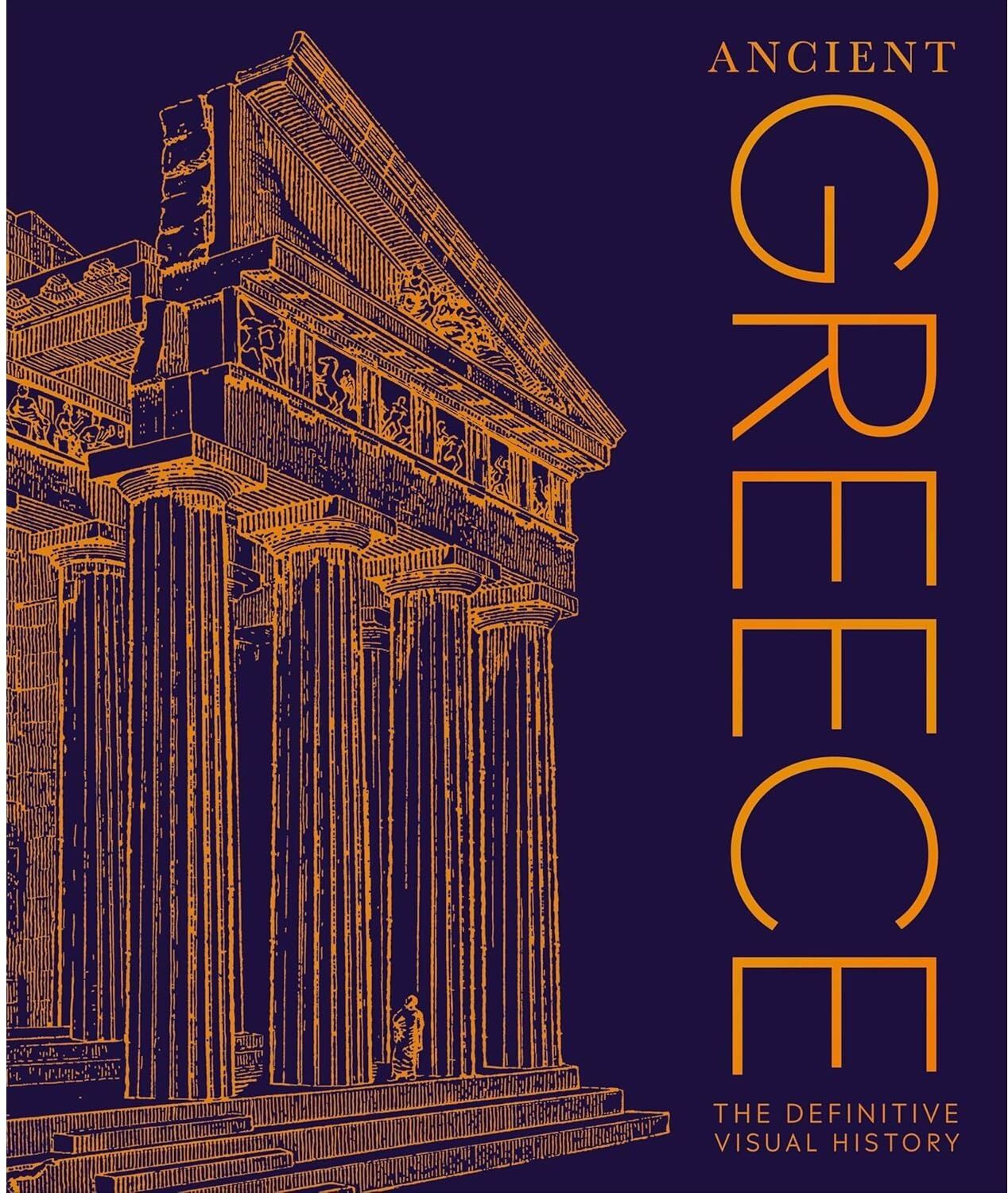
Ancient Greece: The Definitive Visual History (DK Classic History)Embark upon a fascinating journey through ancient Greece – from its rise and fall to its lasting legacy throughout the Western world. Spanning more than 3,000 years, Ancient Greece explores the tumultuous history of this glorious empire in vivid detail – from its Minoan and Mycenaean origins to the apogee of the warring city-states of Athens and Sparta, and from the death of its most charismatic leader, Alexander the Great, to its ultimate defeat by Rome. Sumptuous photography and authoritative, engaging text cover every facet of life in ancient Greece, from art, entertainment, and schools of thought to politics, medicine, and war, while the myths and religious beliefs of the ancient culture are explored and explained in depth. Greece’s military and political power shines through in fascinating maps of its legendary battles. Buried palaces and the Athenian Agora where Plato and Socrates discussed philosophy are brought back to life with stunning CGI artworks. And the stories of everyone from ordinary citizens to lawmakers and the first Olympic athletes are retold through eyewitness accounts and original artefacts.19,99 £*Shipping: 2,99 £Secure redirect to the provider
-
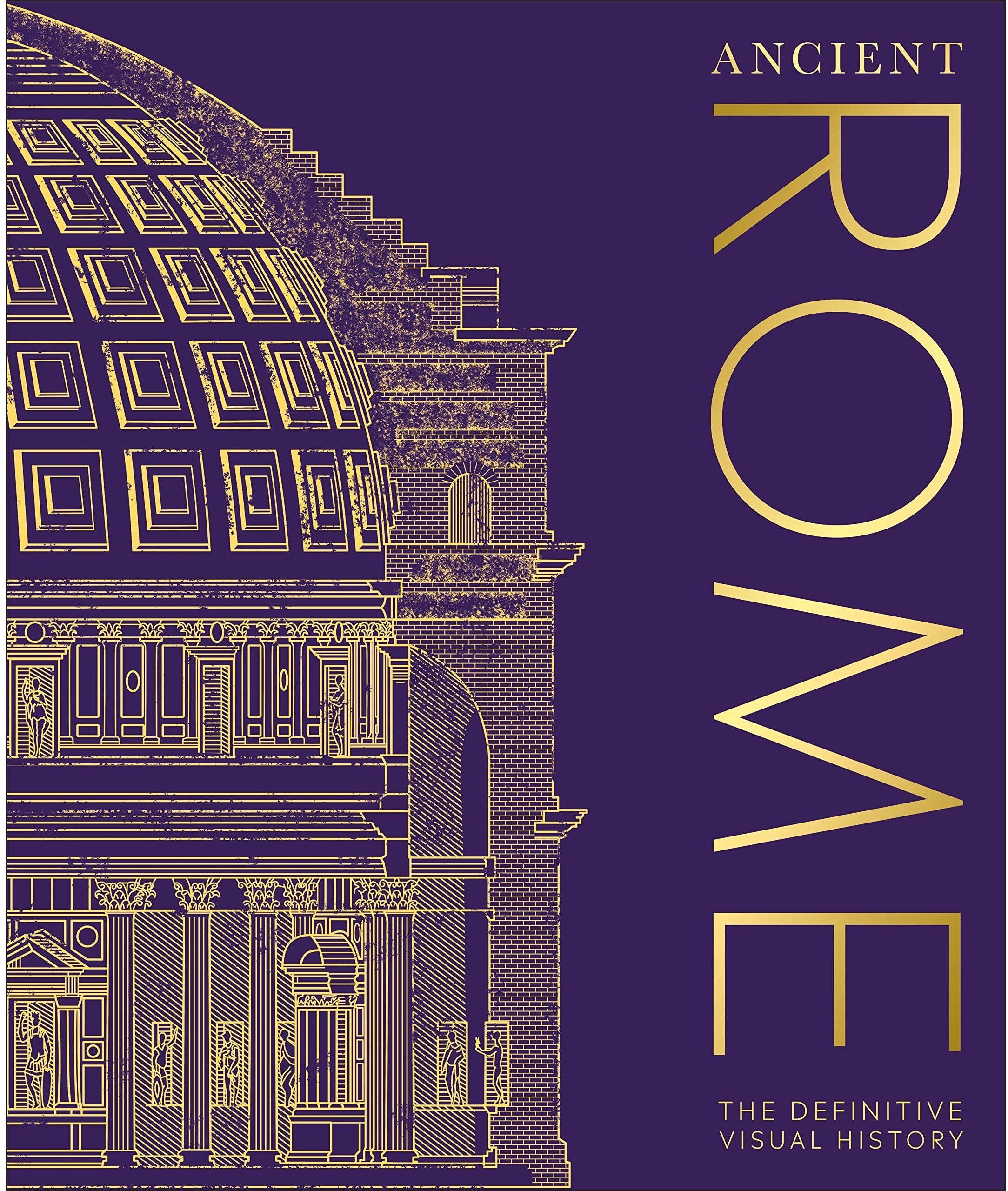
Ancient Rome: The Definitive Visual History (DK Classic History)Immerse yourself in the history of ancient Rome - from its origins as a small settlement on the Palatine Hill to its peak as an empire reigning over 90 million people, and its tumultuous decline. Covering more than 1,000 years of history, and an empire that stretched from Scotland to Syria, Ancient Rome reveals in vivid detail all of the key political, cultural, and military events that shaped the Roman Empire and explores what it was like to live in a society that laid the foundations for many aspects of the modern world. Sumptuous photography and engaging text cover every facet of life in ancient Rome, from art, entertainment, and fashion to engineering, medicine, and war, while detailed maps trace the rise of the mighty Roman Empire. Step back in time in the pages of this history book to discover:- Themed spreads explore developments in areas such as sculpture, religion, warfare, and engineering. - Includes tales of the most dramatic events and battles in Roman history, as well as profiles of influential historical and cultural figures. - An optional 80pp reference section includes sections on rulers, gods and goddesses, and key sites. Featuring Rome's greatest emperors, from Augustus to Constantine, as well as profiles of generals, historians, and influential women, Ancient Rome also delves into the fascinating stories of gladiators, bakers, and enslaved people. The most iconic buildings of Rome are brought to life with specially commissioned CGI recreations, while the stories of ordinary citizens, soldiers, and persecuted groups from across the empire are told with the help of illustrations, artefacts, and eyewitness accounts. Beautifully illustrated and unparalleled in scope, Ancient Rome is the perfect book for anyone who is interested in this defining period of world history.19,95 £*Shipping: 2,99 £Secure redirect to the provider
-
Titan Assassins Creed - The Complete Visual History: The Definitive Visual HistoryThis stunning book explores the rich mythology of Assassins Creed®, featuring the art and history of the series from the first groundbreaking game through the graphic novels to the DLCs. Highlighting the lush and vibrant art that has become a hallmark of the series, this luxury coffee-table book brings the games famous historical locations and figures to life and explores the evolution of each iconic Assassin and Templar.15,99 £*Shipping: 2,99 £Secure redirect to the provider
-
Fox Eye Publishing Introduction to History 20 Books Collection Box Set – Educational History Learning CollectionIntroduction to History 20 Books Collection Box Set (The Aztecs, Castles, Celts, Ancient China, Discovering the Past, Egyptians, Ancient Greeks, The Maya, Romans, Vikings, Great Explorers and More) Books in This Collection: Introduction to The Aztecs Introduction to Castles Introduction to Celts Introduction to Ancient China Introduction to Discovering the Past Introduction to Egyptians Introduction to Ancient Greeks Introduction to The Maya Introduction to Romans Introduction to Vikings Introduction to Great Explorers Introduction to Great Inventors Introduction to Great Scientists Introduction to Industrial Revolution Introduction to Kingdoms of the Past Introduction to Mysterious Tombs and Treasures Introduction to Strange Places Introduction to The Victorians Introduction to World War I Introduction to World War II12,99 £*Shipping: 2,99 £Secure redirect to the provider


-
What is the electrical conductivity of glycine?
Glycine is a non-conductive amino acid, meaning it does not conduct electricity in its pure form. This is because it does not contain any free ions or electrons that can carry an electric current. However, when glycine is dissolved in water, it can form ions and become a conductor of electricity. This is due to the dissociation of glycine molecules into positively charged ions (cations) and negatively charged ions (anions) in the solution, allowing it to conduct electricity. **
-
Why doesn't glycine have D- and L-forms?
Glycine does not have D- and L-forms because it is the simplest amino acid and has a hydrogen atom as its side chain. Unlike other amino acids that have a chiral carbon atom in their side chains, glycine's side chain is not chiral, meaning it does not have a mirror image form. As a result, glycine does not have D- and L-forms like other amino acids. **
-
What is the reaction equation between glycine and lysine?
The reaction equation between glycine and lysine involves the formation of a peptide bond. This reaction is a condensation reaction where the amino group of glycine (-NH2) reacts with the carboxyl group of lysine (-COOH) to form a peptide bond (-CONH-). The reaction results in the formation of a dipeptide composed of glycine and lysine linked together by the peptide bond. The general reaction equation for this process is: Glycine + Lysine → Glycine-Lysine + H2O. **
-
Why is glycine soluble in water, but phenylalanine is not?
Glycine is soluble in water because it is a small, polar molecule with a high degree of solvation due to its ability to form hydrogen bonds with water molecules. On the other hand, phenylalanine is not soluble in water because it is a larger, nonpolar molecule with a hydrophobic phenyl group that does not interact well with water molecules. The lack of polar groups in phenylalanine prevents it from forming strong interactions with water molecules, leading to its insolubility in water. **


Why is glycine soluble in water but phenylalanine is not?
Glycine is soluble in water because it is a small, polar molecule with a simple structure, allowing it to form hydrogen bonds with water molecules. On the other hand, phenylalanine is a larger, nonpolar molecule with a hydrophobic phenyl group, which makes it less likely to interact with water molecules and therefore insoluble in water. The presence of the hydrophobic phenyl group in phenylalanine disrupts the molecule's ability to form hydrogen bonds with water, leading to its insolubility in water. **
What are the pH values of aspartic acid, lysine, and glycine?
The pH values of aspartic acid, lysine, and glycine are as follows: - Aspartic acid: The pH value of aspartic acid is around 2.77 at 25°C. - Lysine: The pH value of lysine is around 9.74 at 25°C. - Glycine: The pH value of glycine is around 6.06 at 25°C. **
Top-Angebote
Products related to Glycine:
-
From the Archives: Black History and Culture Value PackThis brand-new series is rooted in a profound commitment to shedding light on some of the important -- and often lesser-known -- aspects of Black history. From the Archives features landmarks, events, people, and artistic endeavors that have played...26,99 $*Shipping: 0,00 $Secure redirect to the provider
-
Orion The Book of Humans by Adam Rutherford – A Brief History of Culture, Sex, War & EvolutionWHAT MAKES US HUMAN? Waging war? Sex for pleasure? Creating art? Mastery of fire? In this thrilling tour of the animal kingdom, Adam Rutherford tells the story of how we became the unique creatures we are today. Illuminated by the latest scientific discoveries, THE BOOK OF HUMANS is a dazzling compendium of what unequivocally fixes us as animals, and reveals how we are extraordinary among them.4,98 £*Shipping: 1,99 £Secure redirect to the provider
-
Ancient Greece: The Definitive Visual History (DK Classic History)Embark upon a fascinating journey through ancient Greece – from its rise and fall to its lasting legacy throughout the Western world. Spanning more than 3,000 years, Ancient Greece explores the tumultuous history of this glorious empire in vivid detail – from its Minoan and Mycenaean origins to the apogee of the warring city-states of Athens and Sparta, and from the death of its most charismatic leader, Alexander the Great, to its ultimate defeat by Rome. Sumptuous photography and authoritative, engaging text cover every facet of life in ancient Greece, from art, entertainment, and schools of thought to politics, medicine, and war, while the myths and religious beliefs of the ancient culture are explored and explained in depth. Greece’s military and political power shines through in fascinating maps of its legendary battles. Buried palaces and the Athenian Agora where Plato and Socrates discussed philosophy are brought back to life with stunning CGI artworks. And the stories of everyone from ordinary citizens to lawmakers and the first Olympic athletes are retold through eyewitness accounts and original artefacts.19,99 £*Shipping: 2,99 £Secure redirect to the provider
-
Ancient Rome: The Definitive Visual History (DK Classic History)Immerse yourself in the history of ancient Rome - from its origins as a small settlement on the Palatine Hill to its peak as an empire reigning over 90 million people, and its tumultuous decline. Covering more than 1,000 years of history, and an empire that stretched from Scotland to Syria, Ancient Rome reveals in vivid detail all of the key political, cultural, and military events that shaped the Roman Empire and explores what it was like to live in a society that laid the foundations for many aspects of the modern world. Sumptuous photography and engaging text cover every facet of life in ancient Rome, from art, entertainment, and fashion to engineering, medicine, and war, while detailed maps trace the rise of the mighty Roman Empire. Step back in time in the pages of this history book to discover:- Themed spreads explore developments in areas such as sculpture, religion, warfare, and engineering. - Includes tales of the most dramatic events and battles in Roman history, as well as profiles of influential historical and cultural figures. - An optional 80pp reference section includes sections on rulers, gods and goddesses, and key sites. Featuring Rome's greatest emperors, from Augustus to Constantine, as well as profiles of generals, historians, and influential women, Ancient Rome also delves into the fascinating stories of gladiators, bakers, and enslaved people. The most iconic buildings of Rome are brought to life with specially commissioned CGI recreations, while the stories of ordinary citizens, soldiers, and persecuted groups from across the empire are told with the help of illustrations, artefacts, and eyewitness accounts. Beautifully illustrated and unparalleled in scope, Ancient Rome is the perfect book for anyone who is interested in this defining period of world history.19,95 £*Shipping: 2,99 £Secure redirect to the provider
-
Does glycine affect the heart?
Yes, glycine can affect the heart. It is an amino acid that plays a role in the synthesis of proteins and is also involved in the production of collagen, which is important for the structure and function of the heart. Additionally, glycine has been studied for its potential benefits in protecting the heart from damage caused by various factors such as oxidative stress and inflammation. However, more research is needed to fully understand the impact of glycine on heart health. **
-
Why is glycine not significantly polar?
Glycine is not significantly polar because it is a small, non-polar amino acid with a hydrogen atom as its side chain. This side chain does not contain any charged or highly electronegative atoms like oxygen or nitrogen that would create a polar interaction. As a result, glycine does not readily participate in hydrogen bonding or other polar interactions, making it a non-polar molecule overall. **
-
What is the electrical conductivity of glycine?
Glycine is a non-conductive amino acid, meaning it does not conduct electricity in its pure form. This is because it does not contain any free ions or electrons that can carry an electric current. However, when glycine is dissolved in water, it can form ions and become a conductor of electricity. This is due to the dissociation of glycine molecules into positively charged ions (cations) and negatively charged ions (anions) in the solution, allowing it to conduct electricity. **
-
Why doesn't glycine have D- and L-forms?
Glycine does not have D- and L-forms because it is the simplest amino acid and has a hydrogen atom as its side chain. Unlike other amino acids that have a chiral carbon atom in their side chains, glycine's side chain is not chiral, meaning it does not have a mirror image form. As a result, glycine does not have D- and L-forms like other amino acids. **
Similar search terms for Glycine
-
Titan Assassins Creed - The Complete Visual History: The Definitive Visual HistoryThis stunning book explores the rich mythology of Assassins Creed®, featuring the art and history of the series from the first groundbreaking game through the graphic novels to the DLCs. Highlighting the lush and vibrant art that has become a hallmark of the series, this luxury coffee-table book brings the games famous historical locations and figures to life and explores the evolution of each iconic Assassin and Templar.15,99 £*Shipping: 2,99 £Secure redirect to the provider
-
Fox Eye Publishing Introduction to History 20 Books Collection Box Set – Educational History Learning CollectionIntroduction to History 20 Books Collection Box Set (The Aztecs, Castles, Celts, Ancient China, Discovering the Past, Egyptians, Ancient Greeks, The Maya, Romans, Vikings, Great Explorers and More) Books in This Collection: Introduction to The Aztecs Introduction to Castles Introduction to Celts Introduction to Ancient China Introduction to Discovering the Past Introduction to Egyptians Introduction to Ancient Greeks Introduction to The Maya Introduction to Romans Introduction to Vikings Introduction to Great Explorers Introduction to Great Inventors Introduction to Great Scientists Introduction to Industrial Revolution Introduction to Kingdoms of the Past Introduction to Mysterious Tombs and Treasures Introduction to Strange Places Introduction to The Victorians Introduction to World War I Introduction to World War II12,99 £*Shipping: 2,99 £Secure redirect to the provider
-
OM Books International Encyclopedia of History 8 Books Collection Set – World War History & Educational Learning CollectionEncyclopedia of History set of 8 books (World War I, World War II, World War II and Indias Freedom Struggle, Mid Nineteenth and Twentieth Centuries, The French Revolution & More): Titles in This Set: Encyclopedia: World War I Encyclopedia: World War II Encyclopedia: World War II and Indias Freedom Struggle Encyclopedia: Mid Nineteenth and Twentieth Centuries Encyclopedia: The French Revolution Encyclopedia: Middle Ages and the Emergence of Modern Europe Encyclopedia: Prominent Civilisations Encyclopedia: Ancient History Description: What made humans the way they are today? How were civilisations formed and erased? What makes up history? Get answers to all the questions and more in this history encyclopedia. Go back in time and learn all about human history, right from the time man began his journey in stone caves. Relive epic battles, learn about the rise and fall of great empires and a lot more.9,90 £*Shipping: 2,99 £Secure redirect to the provider
-
What is the reaction equation between glycine and lysine?
The reaction equation between glycine and lysine involves the formation of a peptide bond. This reaction is a condensation reaction where the amino group of glycine (-NH2) reacts with the carboxyl group of lysine (-COOH) to form a peptide bond (-CONH-). The reaction results in the formation of a dipeptide composed of glycine and lysine linked together by the peptide bond. The general reaction equation for this process is: Glycine + Lysine → Glycine-Lysine + H2O. **
-
Why is glycine soluble in water, but phenylalanine is not?
Glycine is soluble in water because it is a small, polar molecule with a high degree of solvation due to its ability to form hydrogen bonds with water molecules. On the other hand, phenylalanine is not soluble in water because it is a larger, nonpolar molecule with a hydrophobic phenyl group that does not interact well with water molecules. The lack of polar groups in phenylalanine prevents it from forming strong interactions with water molecules, leading to its insolubility in water. **
-
Why is glycine soluble in water but phenylalanine is not?
Glycine is soluble in water because it is a small, polar molecule with a simple structure, allowing it to form hydrogen bonds with water molecules. On the other hand, phenylalanine is a larger, nonpolar molecule with a hydrophobic phenyl group, which makes it less likely to interact with water molecules and therefore insoluble in water. The presence of the hydrophobic phenyl group in phenylalanine disrupts the molecule's ability to form hydrogen bonds with water, leading to its insolubility in water. **
-
What are the pH values of aspartic acid, lysine, and glycine?
The pH values of aspartic acid, lysine, and glycine are as follows: - Aspartic acid: The pH value of aspartic acid is around 2.77 at 25°C. - Lysine: The pH value of lysine is around 9.74 at 25°C. - Glycine: The pH value of glycine is around 6.06 at 25°C. **
* All prices are inclusive of VAT and, if applicable, plus shipping costs. The offer information is based on the details provided by the respective shop and is updated through automated processes. Real-time updates do not occur, so deviations can occur in individual cases. ** Note: Parts of this content were created by AI.