Buy tataria.eu ?
We are moving the project
tataria.eu .
Are you interested in purchasing the domain
tataria.eu ?
domain@kv-gmbh.de · 0541-91531010
Buy tataria.eu ?
What is the history of translation technology?
Translation technology has a long history, dating back to ancient times when humans used tools like dictionaries and phrasebooks to aid in translation. In the 20th century, the development of computers and the internet led to the creation of machine translation systems, which used algorithms to automatically translate text. In recent years, advancements in artificial intelligence and machine learning have led to the development of more sophisticated translation technologies, such as neural machine translation, which can produce more accurate and natural-sounding translations. Today, translation technology continues to evolve, with the integration of voice recognition and real-time translation capabilities. **
What career prospects arise from studying Culture and Technology?
Studying Culture and Technology can lead to a variety of career prospects in fields such as digital marketing, user experience design, cultural analysis, and technology consulting. Graduates may find opportunities in industries that require a deep understanding of how technology impacts society and culture, such as media companies, tech firms, research institutions, and non-profit organizations. Additionally, individuals with a background in Culture and Technology may also pursue careers in academia, journalism, or cultural policy-making, where their expertise can be applied to critically analyze and shape the intersection of culture and technology in society. **

Similar search terms for Technology
Top-Angebote
Products related to Technology:
-
Luna Volume Shampoo with Plex Technology 300mLA shampoo. Boost volume and restore vitality to fine or damaged hair with This product – the weightless solution for body, shine, and strength. Adds body and fullness without weighing hair down. Enhances wet-combing and detangling. Nourishes colour-treated and damaged hair. Gently cleanses with salon-quality care.11,89 £*Shipping: 7,11 £Secure redirect to the provider
-
Luna Volume Conditioner with Plex Technology 300mLA shampoo. Add lift, shine, and strength without weighing strands down. Instantly volumizes fine, brittle hair. Nourishes without heaviness. Hydrates and softens with a silky finish. Reduces static and flyaways. Light, soothing fragrance. Vitamin B5 (Panthenol): Deeply hydrates, strengthens, and boosts shine.11,89 £*Shipping: 7,11 £Secure redirect to the provider
-
Luna Thickening Shampoo with Plex Technology 300mLA shampoo for hair loss or thinning. Boost volume, nourish roots, and reveal fuller-looking locks. Instantly enhances hair fullness and volume. Promotes healthy hair development. Seals in moisture without weighing hair down. Ideal for fine, thinning hair. Biotin: Strengthens hair and supports development.11,89 £*Shipping: 7,11 £Secure redirect to the provider
-
Luna Thickening Conditioner with Plex Technology 300mLA shampoo for hair loss or thinning. Adds visible volume and fullness. Nourishes and strengthens fine, thinning hair. Locks in moisture for a smoother finish. Best results when paired with Thickening Shampoo. Panthenol (Pro-Vitamin B5): Improves hair elasticity and moisture retention. Caffeine: Stimulates hair follicles to promote development.11,89 £*Shipping: 7,11 £Secure redirect to the provider


-
How does the process of cell culture technology proceed?
Cell culture technology involves the growth and maintenance of cells outside of their natural environment, typically in a laboratory setting. The process begins with the selection of the appropriate cell type and the preparation of a suitable growth medium. The cells are then isolated from their natural environment and placed in a sterile culture vessel, where they are provided with the necessary nutrients and conditions for growth. The culture is regularly monitored and maintained to ensure the cells remain healthy and continue to proliferate. This technology is widely used in research, drug development, and biotechnology for studying cell behavior, producing biological products, and testing potential therapies. **
-
How does lighting technology respond to music?
Lighting technology can respond to music through a process called sound-to-light synchronization. This technology allows lights to change color, intensity, and patterns in response to the rhythm, tempo, and volume of the music being played. By using sensors or software that analyze the audio input, lighting systems can create dynamic and immersive visual experiences that enhance the overall atmosphere of a performance or event. This synchronization adds another layer of sensory stimulation for the audience, creating a more engaging and memorable experience. **
-
Should I study Culture and Technology or Medicine at TU Berlin?
The choice between studying Culture and Technology or Medicine at TU Berlin ultimately depends on your interests and career goals. If you are passionate about exploring the intersection of culture and technology, and are interested in fields such as media studies, digital humanities, or cultural anthropology, then Culture and Technology may be the right choice for you. On the other hand, if you have a strong interest in healthcare, biology, and helping others, pursuing a degree in Medicine may be more suitable. Consider your strengths, interests, and long-term career aspirations when making this decision. **
-
How does the lighting technology react to music?
Lighting technology can react to music in a variety of ways. For example, it can be programmed to change color, intensity, and pattern in sync with the beat and rhythm of the music. Some advanced lighting systems can also be set to respond to specific frequencies or sound levels, creating a dynamic and immersive visual experience that complements the music. Additionally, lighting technology can be synchronized with music through software and controllers, allowing for precise and customizable integration with live performances or pre-recorded music. Overall, the lighting technology's reaction to music adds an extra layer of sensory stimulation and enhances the overall impact of the music performance or listening experience. **


Should I learn wood technology or carpentry technology?
The decision between learning wood technology or carpentry technology depends on your interests and career goals. Wood technology focuses on the science and engineering of wood materials, including processing, preservation, and utilization. This field is more research and industry-oriented, with opportunities in manufacturing, product development, and quality control. On the other hand, carpentry technology is more hands-on and practical, focusing on the skills and techniques needed for construction and woodworking projects. If you are more interested in the technical and scientific aspects of wood, then wood technology may be the better choice. However, if you enjoy working with your hands and want to pursue a career in construction or woodworking, then carpentry technology may be the better fit for you. **
Which subject do you prefer: Music, French, or Technology?
As an AI language model, I don't have personal preferences. However, I can tell you that each of these subjects has its own unique benefits. Music can be a great way to express creativity and emotion, French can open up opportunities for communication and cultural understanding, and Technology can provide practical skills for the modern world. Ultimately, the best subject for you will depend on your interests and goals. **
Top-Angebote
Products related to Technology:
-
Graco Oasis Swing + Soothe Surround Technology - LandryNothing is better than Mom, but the Graco Soothe Surround technology mimics time-tested, proven methods that parents use to soothe their little ones within our Oasis Swing. Soothe Surround recreates these soothing techniques, like the middle of the...129,99 $*Shipping: 0,00 $Secure redirect to the provider
-
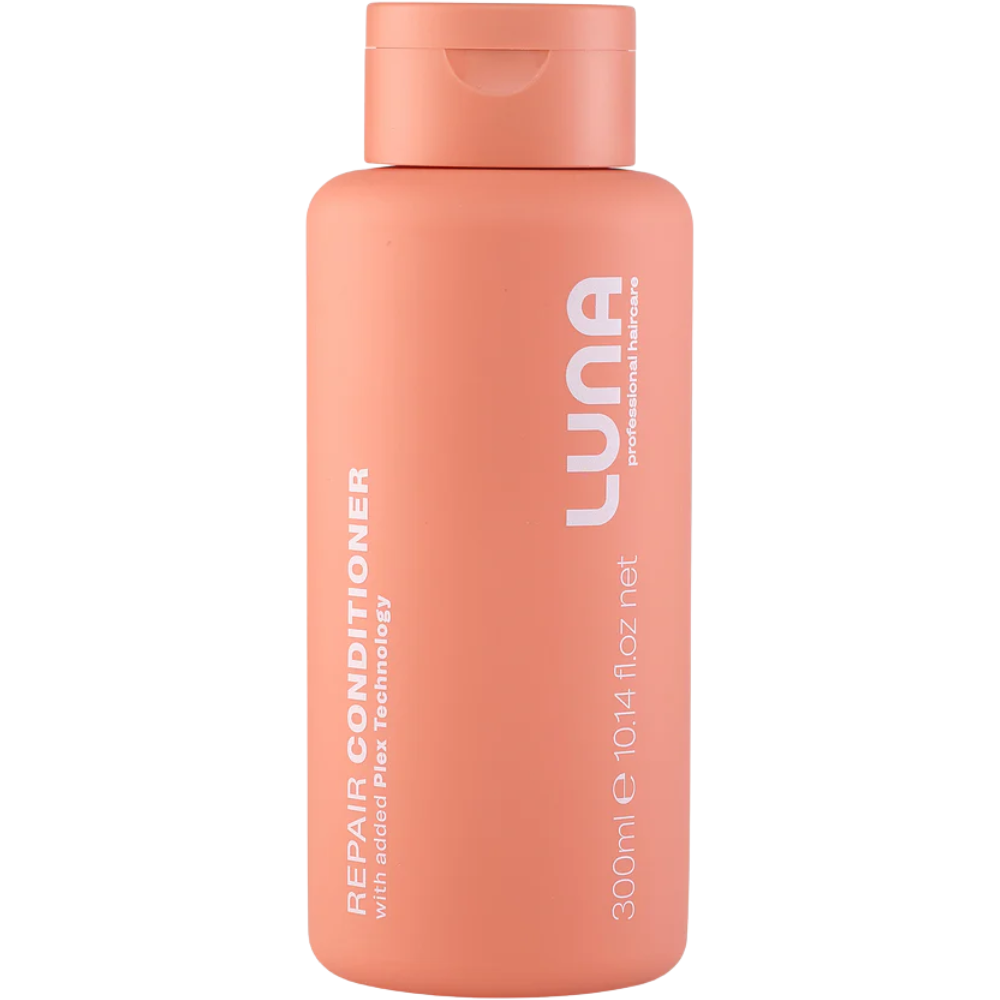
Luna Repair Conditioner with Plex Technology 300mLA conditioner. Revive dry, damaged hair with This product – a protein-rich formula that restores strength, shine, and softness from root to tip. Deeply nourishes and reconstructs damaged hair. Reduces frizz and enhances natural shine. Fortifies hair with silk and wheat proteins. Protects against future breakage and heat damage.11,89 £*Shipping: 7,11 £Secure redirect to the provider
-
Luna Volume Shampoo with Plex Technology 300mLA shampoo. Boost volume and restore vitality to fine or damaged hair with This product – the weightless solution for body, shine, and strength. Adds body and fullness without weighing hair down. Enhances wet-combing and detangling. Nourishes colour-treated and damaged hair. Gently cleanses with salon-quality care.11,89 £*Shipping: 7,11 £Secure redirect to the provider
-
Luna Volume Conditioner with Plex Technology 300mLA shampoo. Add lift, shine, and strength without weighing strands down. Instantly volumizes fine, brittle hair. Nourishes without heaviness. Hydrates and softens with a silky finish. Reduces static and flyaways. Light, soothing fragrance. Vitamin B5 (Panthenol): Deeply hydrates, strengthens, and boosts shine.11,89 £*Shipping: 7,11 £Secure redirect to the provider
-
What is the history of translation technology?
Translation technology has a long history, dating back to ancient times when humans used tools like dictionaries and phrasebooks to aid in translation. In the 20th century, the development of computers and the internet led to the creation of machine translation systems, which used algorithms to automatically translate text. In recent years, advancements in artificial intelligence and machine learning have led to the development of more sophisticated translation technologies, such as neural machine translation, which can produce more accurate and natural-sounding translations. Today, translation technology continues to evolve, with the integration of voice recognition and real-time translation capabilities. **
-
What career prospects arise from studying Culture and Technology?
Studying Culture and Technology can lead to a variety of career prospects in fields such as digital marketing, user experience design, cultural analysis, and technology consulting. Graduates may find opportunities in industries that require a deep understanding of how technology impacts society and culture, such as media companies, tech firms, research institutions, and non-profit organizations. Additionally, individuals with a background in Culture and Technology may also pursue careers in academia, journalism, or cultural policy-making, where their expertise can be applied to critically analyze and shape the intersection of culture and technology in society. **
-
How does the process of cell culture technology proceed?
Cell culture technology involves the growth and maintenance of cells outside of their natural environment, typically in a laboratory setting. The process begins with the selection of the appropriate cell type and the preparation of a suitable growth medium. The cells are then isolated from their natural environment and placed in a sterile culture vessel, where they are provided with the necessary nutrients and conditions for growth. The culture is regularly monitored and maintained to ensure the cells remain healthy and continue to proliferate. This technology is widely used in research, drug development, and biotechnology for studying cell behavior, producing biological products, and testing potential therapies. **
-
How does lighting technology respond to music?
Lighting technology can respond to music through a process called sound-to-light synchronization. This technology allows lights to change color, intensity, and patterns in response to the rhythm, tempo, and volume of the music being played. By using sensors or software that analyze the audio input, lighting systems can create dynamic and immersive visual experiences that enhance the overall atmosphere of a performance or event. This synchronization adds another layer of sensory stimulation for the audience, creating a more engaging and memorable experience. **
Similar search terms for Technology
-
Luna Thickening Shampoo with Plex Technology 300mLA shampoo for hair loss or thinning. Boost volume, nourish roots, and reveal fuller-looking locks. Instantly enhances hair fullness and volume. Promotes healthy hair development. Seals in moisture without weighing hair down. Ideal for fine, thinning hair. Biotin: Strengthens hair and supports development.11,89 £*Shipping: 7,11 £Secure redirect to the provider
-
Luna Thickening Conditioner with Plex Technology 300mLA shampoo for hair loss or thinning. Adds visible volume and fullness. Nourishes and strengthens fine, thinning hair. Locks in moisture for a smoother finish. Best results when paired with Thickening Shampoo. Panthenol (Pro-Vitamin B5): Improves hair elasticity and moisture retention. Caffeine: Stimulates hair follicles to promote development.11,89 £*Shipping: 7,11 £Secure redirect to the provider
-
Luna Smoothing Shampoo with Plex Technology 300mLA shampoo. Deeply hydrates and smooths frizzy hair. Gently removes buildup, dirt, and pollutants. Enhances shine without heaviness. Protects against UV and heat damage. Strengthens strands for a sleek, manageable finish. Vitamin E: Protects and nourishes hair. Sunflower Seed Extract: Smooths and adds natural shine.11,89 £*Shipping: 7,11 £Secure redirect to the provider
-
Luna Kids Detangler with Plex Technology 200mLA conditioner. Make brushing effortless with Kids Detangler – a lightweight leave-in conditioner enriched with proteins and botanicals to smooth, hydrate, and protect children’s hair. Instantly detangles for stress-free brushing. Restores softness and manageability. Strengthens with Hydrolyzed Wheat, Soy and Rice Proteins.13,02 £*Shipping: 7,11 £Secure redirect to the provider
-
Should I study Culture and Technology or Medicine at TU Berlin?
The choice between studying Culture and Technology or Medicine at TU Berlin ultimately depends on your interests and career goals. If you are passionate about exploring the intersection of culture and technology, and are interested in fields such as media studies, digital humanities, or cultural anthropology, then Culture and Technology may be the right choice for you. On the other hand, if you have a strong interest in healthcare, biology, and helping others, pursuing a degree in Medicine may be more suitable. Consider your strengths, interests, and long-term career aspirations when making this decision. **
-
How does the lighting technology react to music?
Lighting technology can react to music in a variety of ways. For example, it can be programmed to change color, intensity, and pattern in sync with the beat and rhythm of the music. Some advanced lighting systems can also be set to respond to specific frequencies or sound levels, creating a dynamic and immersive visual experience that complements the music. Additionally, lighting technology can be synchronized with music through software and controllers, allowing for precise and customizable integration with live performances or pre-recorded music. Overall, the lighting technology's reaction to music adds an extra layer of sensory stimulation and enhances the overall impact of the music performance or listening experience. **
-
Should I learn wood technology or carpentry technology?
The decision between learning wood technology or carpentry technology depends on your interests and career goals. Wood technology focuses on the science and engineering of wood materials, including processing, preservation, and utilization. This field is more research and industry-oriented, with opportunities in manufacturing, product development, and quality control. On the other hand, carpentry technology is more hands-on and practical, focusing on the skills and techniques needed for construction and woodworking projects. If you are more interested in the technical and scientific aspects of wood, then wood technology may be the better choice. However, if you enjoy working with your hands and want to pursue a career in construction or woodworking, then carpentry technology may be the better fit for you. **
-
Which subject do you prefer: Music, French, or Technology?
As an AI language model, I don't have personal preferences. However, I can tell you that each of these subjects has its own unique benefits. Music can be a great way to express creativity and emotion, French can open up opportunities for communication and cultural understanding, and Technology can provide practical skills for the modern world. Ultimately, the best subject for you will depend on your interests and goals. **
* All prices are inclusive of VAT and, if applicable, plus shipping costs. The offer information is based on the details provided by the respective shop and is updated through automated processes. Real-time updates do not occur, so deviations can occur in individual cases. ** Note: Parts of this content were created by AI.