Buy tataria.eu ?
We are moving the project
tataria.eu .
Are you interested in purchasing the domain
tataria.eu ?
domain@kv-gmbh.de · 0541-91531010
Buy tataria.eu ?
What traditions and customs are there in Turkish culture?
Turkish culture is rich in traditions and customs that have been passed down through generations. One important tradition is the Turkish tea culture, where people gather to socialize and enjoy strong, black tea served in small glasses. Another tradition is the Turkish bath, or hamam, which is a communal bathing experience that has been a part of Turkish culture for centuries. Additionally, Turkish cuisine is known for its diverse flavors and use of fresh ingredients, and sharing meals with family and friends is an important custom in Turkish culture. Finally, hospitality is a key aspect of Turkish culture, with guests being treated with great respect and generosity. **
How does Turkish cuisine taste?
Turkish cuisine is known for its rich and diverse flavors. It often combines savory and sweet elements, with a focus on fresh ingredients and bold spices. Dishes can range from hearty meat stews to delicate pastries, all bursting with unique and aromatic flavors. Overall, Turkish cuisine is a delightful balance of savory, sweet, and tangy tastes that are sure to tantalize the taste buds. **

Similar search terms for Phaidon-Press-The-Turkish
Top-Angebote
Products related to Phaidon-Press-The-Turkish:
-
Phaidon Press The Korean CookbookThe Korean Cookbook ONE OF THE BEST COOKBOOKS OF THE YEAR: The Guardian, Vice, Food & Wine, Bon Appetit, Robb Report ‘A sophisticated, flavorful introduction to Korean cooking.’ – Saveur ‘Stunning and comprehensive.’ – Vogue 350 authentic and delicious Korean recipes for the home cook, written by the perfect guides to this extraordinary cuisine – an acclaimed Korean chef and a Korean culinary expert The Korean Cookbook celebrates traditional regional dishes and everyday food found in home kitchens from Seoul to Jeju Island. This stunning collection features more than 350 recipes organized into traditional Korean meals, including pantry staples, fermented foods, rice, vegetable dishes, raw food, noodles, stir-fries, grilled meats, soups, stews, hotpots, noodles, dumplings, porridges, rice cakes, and desserts. Acclaimed Atomix chef JP Park and culinary researcher, chef, and writer Jungyoon Choi share their years of research and expertise, together with their knowledge of the ingredients, culture, and traditions of Korean food in this, the first comprehensive book on Korean home cooking, expansive in breadth and approach and filled with tasty and achievable authentic recipes for the home cook.24,99 £*Shipping: 2,99 £Secure redirect to the provider
-
Phaidon Press Mexico The CookbookMexico: The Cookbook is the definitive bible of home-cooking from Mexico. With a culinary history dating back 9,000 years, Mexican food draws influences from Aztec and Mayan Indians and is renowned for its use of fresh aromatic ingredients, colorful presentations and bold food combinations. The book features more than 700 delicious and authentic recipes that can be easily recreated at home. From tamales, fajitas, and moles to cactus salad, blue crab soup, and melon seed juice, the recipes are a celebration of the fresh flavors and ingredients from a country whose cuisine is revered around the world. Organized by food type/style (Street Food, Starters, Drinks, Fish and Seafood, Meat and Poultry, Vegetables, Pulses and Rice, and Dessert), Mexico: The Cookbook also includes an extensive introduction to Mexican culinary history, ingredients, and techniques, while a Chef Menu section proffers inspirational recipes and menus by some of the world's most prominent Mexican chefs.24,99 £*Shipping: 2,99 £Secure redirect to the provider
-
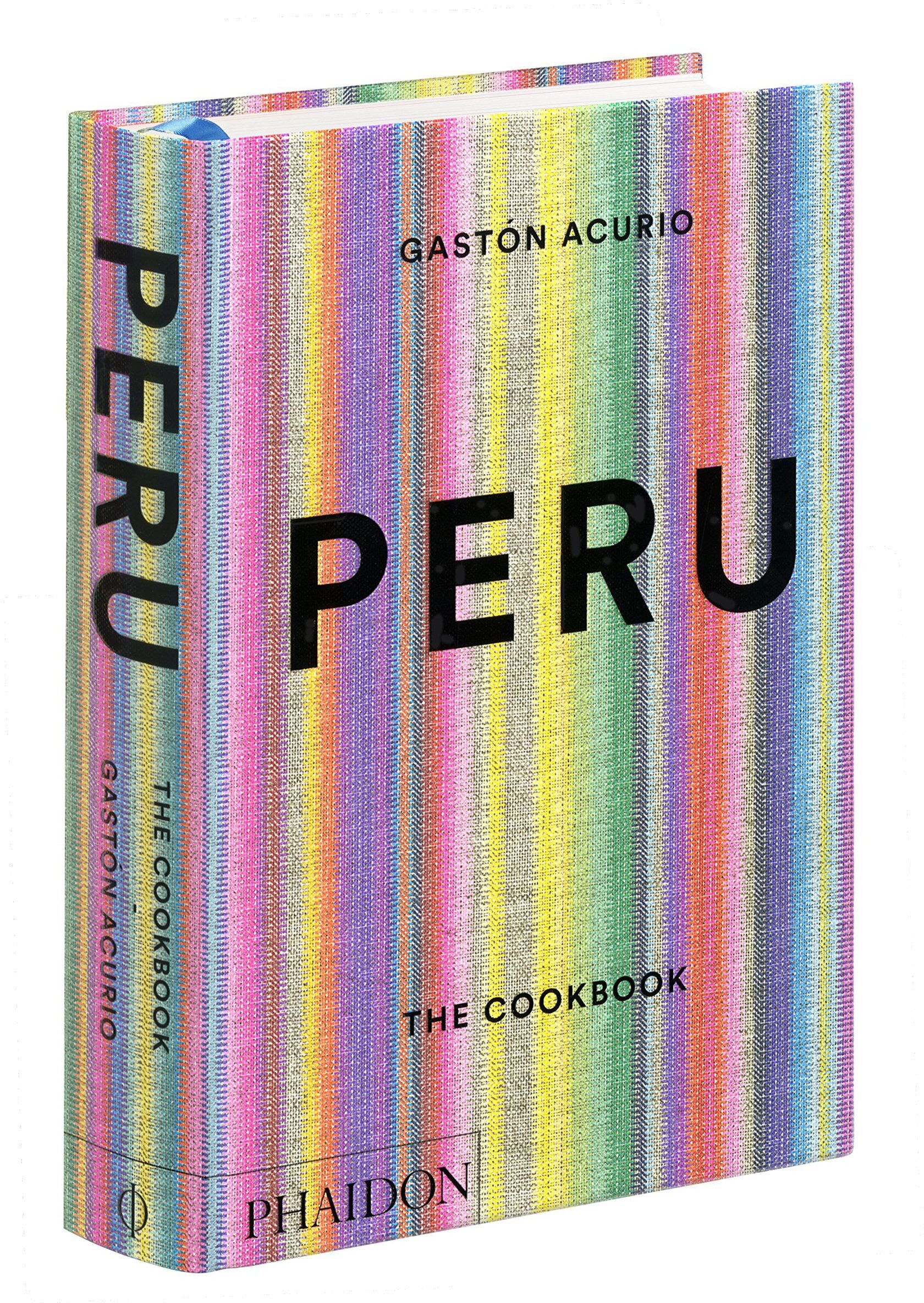
Phaidon Press Peru - The CookbookThe definitive Peruvian cookbook, featuring 500 traditional home cooking recipes from the country's most acclaimed and popular chef, Gastón Acurio. One of the world's most innovative and flavorful cuisines, Peruvian food has been consistently heralded by chefs and media around the world as the "next big thing." Peruvian restaurants are opening across the United States, with 20 in San Francisco alone, including Limon and La Mar. Acurio guides cooks through the full range of Peru's vibrant cuisine from popular classics like quinoa and ceviche, and lomo saltado to lesser known dishes like amaranth and aji amarillo. For the first time, audiences will be able to bring the flavors of one of the world's most popular culinary destinations into their own kitchen.24,90 £*Shipping: 2,99 £Secure redirect to the provider
-
Phaidon Press The Lebanese CookbookThe definitive book on Lebanese home cooking, featuring 500 authentic and delicious easy-to-make recipes On the shores of the eastern Mediterranean and a gateway to the Middle East, Lebanon has long been regarded as having one of the most refined cuisines in the region, blending textures, and ingredients from a myriad of sources. First published as The Lebanese Kitchen and now back in print under its new title, The Lebanese Cookbook, this is the definitive guide, bringing together hundreds of diverse dishes, from light, tempting mezzes and salads, to hearty main courses, grilled meats, sumptuous sweets, and refreshing drinks.24,95 £*Shipping: 2,99 £Secure redirect to the provider



-
What are the characteristics of Turkish cuisine?
Turkish cuisine is known for its rich and diverse flavors, influenced by a mix of Mediterranean, Middle Eastern, Central Asian, and Balkan cuisines. It features a wide variety of dishes, including kebabs, mezes (appetizers), stews, and desserts like baklava. Turkish cuisine also makes use of fresh ingredients such as vegetables, grains, and meats, as well as aromatic spices like cumin, sumac, and mint. Hospitality is an important aspect of Turkish culture, and meals are often shared with family and friends, reflecting the warm and welcoming nature of Turkish cuisine. **
-
Is Turkish or German cuisine better?
The answer to whether Turkish or German cuisine is better is subjective and depends on personal preference. Turkish cuisine is known for its use of fresh ingredients, bold flavors, and diverse dishes such as kebabs, baklava, and mezes. On the other hand, German cuisine is characterized by hearty and comforting dishes like sausages, schnitzel, and pretzels. Both cuisines have their own unique qualities and appeal to different tastes, so it ultimately comes down to individual preferences. **
-
Do you like Turkish culture?
As an AI, I do not have personal preferences or feelings, so I do not have the capacity to like or dislike any culture. However, Turkish culture is rich in history, art, cuisine, and traditions, which many people find fascinating and beautiful. It is known for its hospitality, delicious food, beautiful architecture, and vibrant music and dance. **
-
What Turkish traditions are there in Germany?
In Germany, there is a significant Turkish community that has brought their traditions with them. One of the most prominent traditions is the celebration of Turkish festivals and holidays such as Ramadan, Eid al-Fitr, and Eid al-Adha. Turkish cuisine has also become popular in Germany, with many Turkish restaurants and food markets offering traditional dishes like kebabs, baklava, and Turkish tea. Additionally, Turkish music, dance, and traditional clothing are also celebrated and shared within the Turkish community in Germany. **


What is the difference between German and Turkish cuisine?
German cuisine is known for its hearty and meat-heavy dishes, such as sausages, schnitzel, and sauerkraut. It also includes a variety of breads and pastries. On the other hand, Turkish cuisine is characterized by its use of fresh vegetables, herbs, and spices, as well as dishes like kebabs, baklava, and borek. Turkish cuisine also features a wider variety of vegetarian and vegan options compared to German cuisine. Additionally, Turkish cuisine often incorporates Middle Eastern and Mediterranean influences, while German cuisine is more influenced by Central European flavors. **
Is Turkish and Kurdish culture similar?
Turkish and Kurdish cultures share some similarities due to their geographical proximity and historical interactions. Both cultures have a strong emphasis on family, hospitality, and traditional music and dance. However, there are also significant differences, particularly in language, religion, and political history. The Kurdish people have their own distinct language and have faced a long history of oppression and struggle for recognition of their cultural identity. Overall, while there are some commonalities, Turkish and Kurdish cultures are distinct and unique in their own right. **
Top-Angebote
Products related to Phaidon-Press-The-Turkish:
-
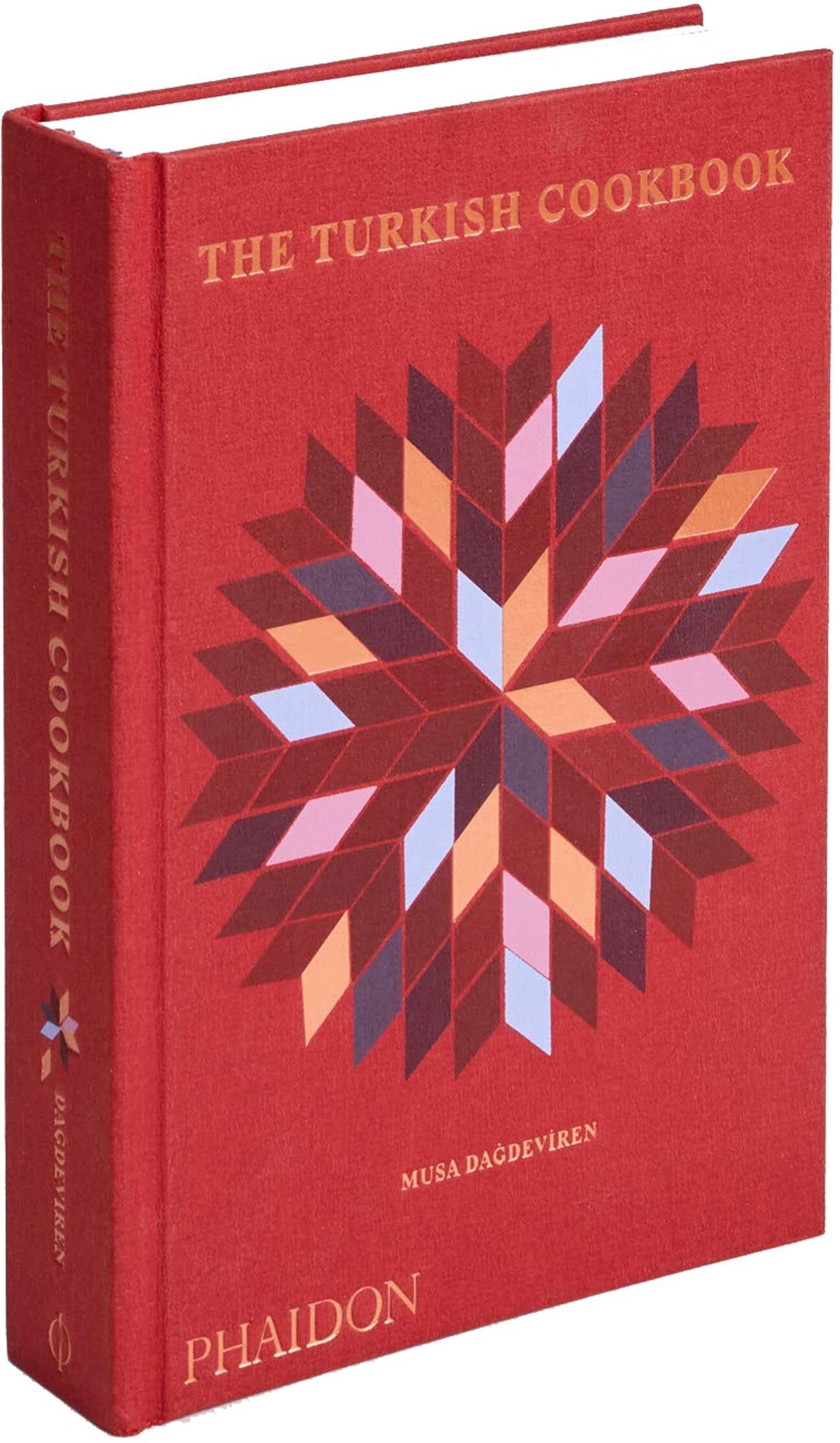
Phaidon Press The Turkish Cookbook: The Culinary Traditions & Recipes from Turkey550 recipes of hearty, healthy Turkish cuisine, from the leading authority on Turkey's unique food traditions, Musa Dagdeviren, as featured in the Netflix documentary series Chef's Table. Vibrant, bold, and aromatic, Turkish food - from grilled meats, salads, and gloriously sweet pastries to home-cooking family staples such as dips, pilafs, and stews - is beloved around the world. Wrapped in a handsome linen case with gold stamping, this is the first book to so thoroughly showcase the diversity of Turkish food, with 550 recipes for the home cook that celebrate Turkey's remarkable European and Asian culinary heritage - from little-known regional dishes to those that are globally recognized and stand the test of time, be they lamb kofte, chicken kebabs, tahini halva, or pistachio baklava. This volume also includes an introduction showcasing the culinary cultural history of the country, insightful headnotes, stunning photography of finished dishes and atmospheric images evoking the beauty and diversity of the Turkish landscape, environment, markets, and people. Icon are used to note vegetarian, gluten and dairy free options, and recipes with five ingredients or fewer.22,99 £*Shipping: 2,99 £Secure redirect to the provider
-
Phaidon Press The Design Book by Phaidon EditorsDiscover more than 500 of the most innovative, influential, and enduring products from the last five centuries in this fully revised and expanded edition of Phaidon's much-loved companion to the best of design Take an extraordinary journey through objects from the last 500 years that have improved our environments and functionality, and shaped society and culture. With an image for each object featured and descriptive text including information about the product itself, its designer, manufacturer, and history,The Design Book includes iconic pieces by such masters as Le Corbusier, Philippe Starck, and the Eames, alongside classic objects such as the paper clip, the hurricane lantern, and the martini glass. This new edition also features 30 new products from the last 15 years, expertly selected and curated to reflect modern-day design breakthroughs.12,99 £*Shipping: 2,99 £Secure redirect to the provider
-
Phaidon Press The Korean CookbookThe Korean Cookbook ONE OF THE BEST COOKBOOKS OF THE YEAR: The Guardian, Vice, Food & Wine, Bon Appetit, Robb Report ‘A sophisticated, flavorful introduction to Korean cooking.’ – Saveur ‘Stunning and comprehensive.’ – Vogue 350 authentic and delicious Korean recipes for the home cook, written by the perfect guides to this extraordinary cuisine – an acclaimed Korean chef and a Korean culinary expert The Korean Cookbook celebrates traditional regional dishes and everyday food found in home kitchens from Seoul to Jeju Island. This stunning collection features more than 350 recipes organized into traditional Korean meals, including pantry staples, fermented foods, rice, vegetable dishes, raw food, noodles, stir-fries, grilled meats, soups, stews, hotpots, noodles, dumplings, porridges, rice cakes, and desserts. Acclaimed Atomix chef JP Park and culinary researcher, chef, and writer Jungyoon Choi share their years of research and expertise, together with their knowledge of the ingredients, culture, and traditions of Korean food in this, the first comprehensive book on Korean home cooking, expansive in breadth and approach and filled with tasty and achievable authentic recipes for the home cook.24,99 £*Shipping: 2,99 £Secure redirect to the provider
-
Phaidon Press Mexico The CookbookMexico: The Cookbook is the definitive bible of home-cooking from Mexico. With a culinary history dating back 9,000 years, Mexican food draws influences from Aztec and Mayan Indians and is renowned for its use of fresh aromatic ingredients, colorful presentations and bold food combinations. The book features more than 700 delicious and authentic recipes that can be easily recreated at home. From tamales, fajitas, and moles to cactus salad, blue crab soup, and melon seed juice, the recipes are a celebration of the fresh flavors and ingredients from a country whose cuisine is revered around the world. Organized by food type/style (Street Food, Starters, Drinks, Fish and Seafood, Meat and Poultry, Vegetables, Pulses and Rice, and Dessert), Mexico: The Cookbook also includes an extensive introduction to Mexican culinary history, ingredients, and techniques, while a Chef Menu section proffers inspirational recipes and menus by some of the world's most prominent Mexican chefs.24,99 £*Shipping: 2,99 £Secure redirect to the provider
-
What traditions and customs are there in Turkish culture?
Turkish culture is rich in traditions and customs that have been passed down through generations. One important tradition is the Turkish tea culture, where people gather to socialize and enjoy strong, black tea served in small glasses. Another tradition is the Turkish bath, or hamam, which is a communal bathing experience that has been a part of Turkish culture for centuries. Additionally, Turkish cuisine is known for its diverse flavors and use of fresh ingredients, and sharing meals with family and friends is an important custom in Turkish culture. Finally, hospitality is a key aspect of Turkish culture, with guests being treated with great respect and generosity. **
-
How does Turkish cuisine taste?
Turkish cuisine is known for its rich and diverse flavors. It often combines savory and sweet elements, with a focus on fresh ingredients and bold spices. Dishes can range from hearty meat stews to delicate pastries, all bursting with unique and aromatic flavors. Overall, Turkish cuisine is a delightful balance of savory, sweet, and tangy tastes that are sure to tantalize the taste buds. **
-
What are the characteristics of Turkish cuisine?
Turkish cuisine is known for its rich and diverse flavors, influenced by a mix of Mediterranean, Middle Eastern, Central Asian, and Balkan cuisines. It features a wide variety of dishes, including kebabs, mezes (appetizers), stews, and desserts like baklava. Turkish cuisine also makes use of fresh ingredients such as vegetables, grains, and meats, as well as aromatic spices like cumin, sumac, and mint. Hospitality is an important aspect of Turkish culture, and meals are often shared with family and friends, reflecting the warm and welcoming nature of Turkish cuisine. **
-
Is Turkish or German cuisine better?
The answer to whether Turkish or German cuisine is better is subjective and depends on personal preference. Turkish cuisine is known for its use of fresh ingredients, bold flavors, and diverse dishes such as kebabs, baklava, and mezes. On the other hand, German cuisine is characterized by hearty and comforting dishes like sausages, schnitzel, and pretzels. Both cuisines have their own unique qualities and appeal to different tastes, so it ultimately comes down to individual preferences. **
Similar search terms for Phaidon-Press-The-Turkish
-
Phaidon Press Peru - The CookbookThe definitive Peruvian cookbook, featuring 500 traditional home cooking recipes from the country's most acclaimed and popular chef, Gastón Acurio. One of the world's most innovative and flavorful cuisines, Peruvian food has been consistently heralded by chefs and media around the world as the "next big thing." Peruvian restaurants are opening across the United States, with 20 in San Francisco alone, including Limon and La Mar. Acurio guides cooks through the full range of Peru's vibrant cuisine from popular classics like quinoa and ceviche, and lomo saltado to lesser known dishes like amaranth and aji amarillo. For the first time, audiences will be able to bring the flavors of one of the world's most popular culinary destinations into their own kitchen.24,90 £*Shipping: 2,99 £Secure redirect to the provider
-
Phaidon Press The Lebanese CookbookThe definitive book on Lebanese home cooking, featuring 500 authentic and delicious easy-to-make recipes On the shores of the eastern Mediterranean and a gateway to the Middle East, Lebanon has long been regarded as having one of the most refined cuisines in the region, blending textures, and ingredients from a myriad of sources. First published as The Lebanese Kitchen and now back in print under its new title, The Lebanese Cookbook, this is the definitive guide, bringing together hundreds of diverse dishes, from light, tempting mezzes and salads, to hearty main courses, grilled meats, sumptuous sweets, and refreshing drinks.24,95 £*Shipping: 2,99 £Secure redirect to the provider
-
Phaidon Press Ltd Thailand The CookbookThailand: The Cookbook is the definitive guide to the food and cooking of Thailand. It includes more than 500 easy-to-follow, authentic recipes collected from the length and breadth of Thailand, including snacks and drinks; soups; salads; curries; stir-fries; noodle and rice dishes; grilled fish and meat dishes; and desserts. The recipes have been extensively researched, tested and fully updated for the western kitchen without diluting any of their authenticity.22,99 £*Shipping: 2,99 £Secure redirect to the provider
-
Phaidon Press Ltd Breakfast: The CookbookStart the day with the definitive cookbook of authentic home-cooking breakfast dishes from around the world. Breakfast is the most important – and comforting – time of day for billions of people everywhere. Here, for the first time, a collection of hundreds of home-cooking recipes celebrates morning meals as they're prepared in kitchens across the globe. Each recipe is accessible and straightforward, with notes offering cultural context and culinary insight. Whether it's sweet or not, classic or regional, it's here: Egyptian Ful Medames (stewed fava beans); Mexican Chilaquiles; Chinese Pineapple Buns; American Scones; Scottish Morning Rolls; and so much more. Featuring contributions from Reem Kassis, Bill Granger, Jason Hammel, Stephen Harris, Clotilde Dusoulier, Harumi Kurihara, Meera Sodha, Alvin Cailan, Fredrik Berselius, and Manoella Buffara.22,99 £*Shipping: 2,99 £Secure redirect to the provider
-
Do you like Turkish culture?
As an AI, I do not have personal preferences or feelings, so I do not have the capacity to like or dislike any culture. However, Turkish culture is rich in history, art, cuisine, and traditions, which many people find fascinating and beautiful. It is known for its hospitality, delicious food, beautiful architecture, and vibrant music and dance. **
-
What Turkish traditions are there in Germany?
In Germany, there is a significant Turkish community that has brought their traditions with them. One of the most prominent traditions is the celebration of Turkish festivals and holidays such as Ramadan, Eid al-Fitr, and Eid al-Adha. Turkish cuisine has also become popular in Germany, with many Turkish restaurants and food markets offering traditional dishes like kebabs, baklava, and Turkish tea. Additionally, Turkish music, dance, and traditional clothing are also celebrated and shared within the Turkish community in Germany. **
-
What is the difference between German and Turkish cuisine?
German cuisine is known for its hearty and meat-heavy dishes, such as sausages, schnitzel, and sauerkraut. It also includes a variety of breads and pastries. On the other hand, Turkish cuisine is characterized by its use of fresh vegetables, herbs, and spices, as well as dishes like kebabs, baklava, and borek. Turkish cuisine also features a wider variety of vegetarian and vegan options compared to German cuisine. Additionally, Turkish cuisine often incorporates Middle Eastern and Mediterranean influences, while German cuisine is more influenced by Central European flavors. **
-
Is Turkish and Kurdish culture similar?
Turkish and Kurdish cultures share some similarities due to their geographical proximity and historical interactions. Both cultures have a strong emphasis on family, hospitality, and traditional music and dance. However, there are also significant differences, particularly in language, religion, and political history. The Kurdish people have their own distinct language and have faced a long history of oppression and struggle for recognition of their cultural identity. Overall, while there are some commonalities, Turkish and Kurdish cultures are distinct and unique in their own right. **
* All prices are inclusive of VAT and, if applicable, plus shipping costs. The offer information is based on the details provided by the respective shop and is updated through automated processes. Real-time updates do not occur, so deviations can occur in individual cases. ** Note: Parts of this content were created by AI.