Buy tataria.eu ?
We are moving the project
tataria.eu .
Are you interested in purchasing the domain
tataria.eu ?
domain@kv-gmbh.de · 0541-91531010
Buy tataria.eu ?
Are animals dissected in class?
Yes, animals are sometimes dissected in science classes as part of the curriculum to help students learn about anatomy and biology. This hands-on approach allows students to observe and understand the internal structures of different animals. However, many schools now offer alternatives to animal dissection, such as virtual dissection software or models, to accommodate students who may be uncomfortable with or opposed to the practice. **
How is a pulsar dissected?
A pulsar is dissected by studying its electromagnetic radiation emissions across different wavelengths, such as radio, X-ray, and gamma-ray. Scientists analyze the pulsar's pulse profile, period, and dispersion measure to understand its rotation rate, magnetic field strength, and distance. By observing how these properties change over time, researchers can gain insights into the pulsar's internal structure, composition, and evolution. Additionally, studying the pulsar's surrounding environment and any companion objects can provide further clues about its formation and dynamics. **

Similar search terms for Dissected
Top-Angebote
Products related to Dissected:
-
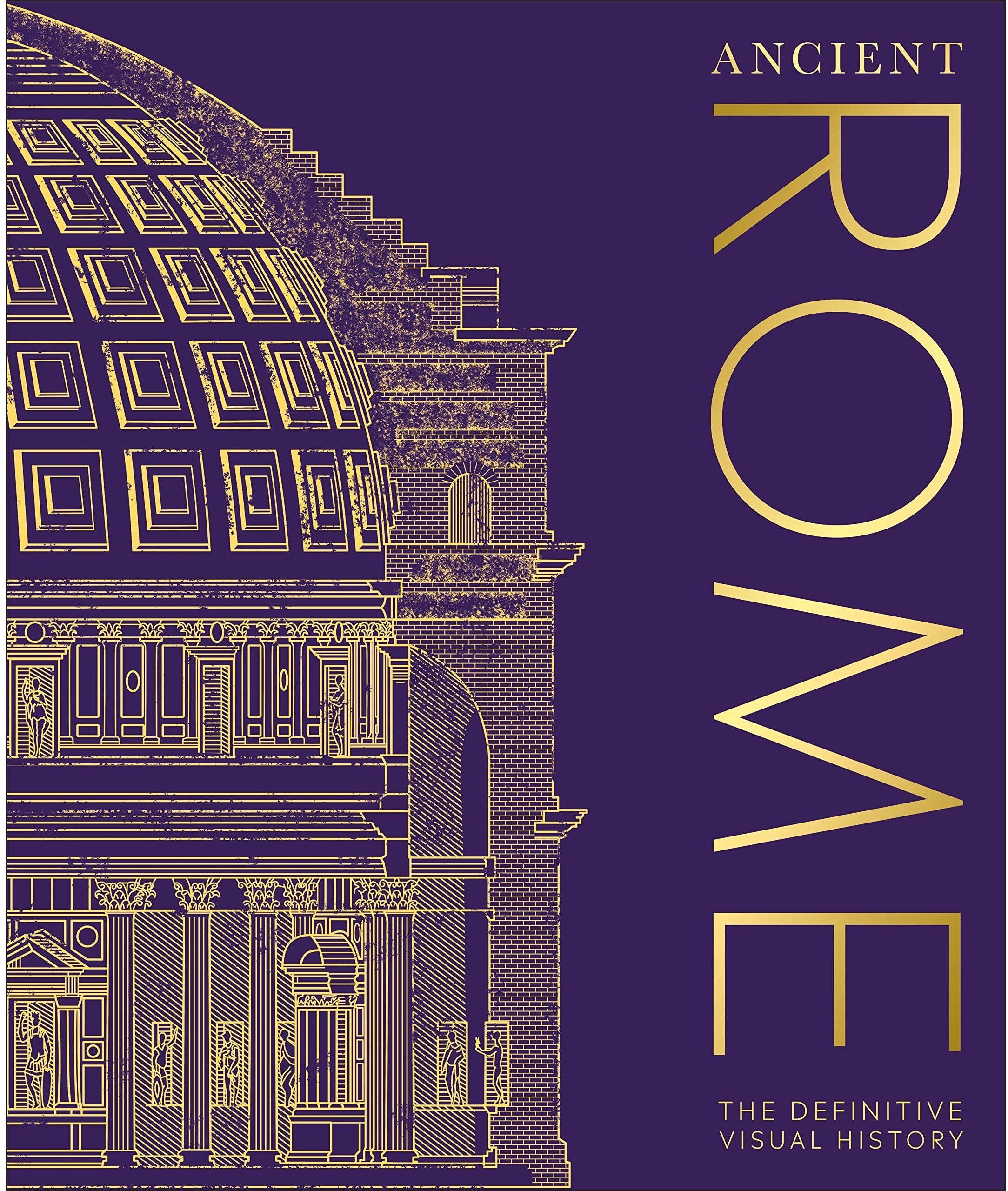
Ancient Rome: The Definitive Visual History (DK Classic History)Immerse yourself in the history of ancient Rome - from its origins as a small settlement on the Palatine Hill to its peak as an empire reigning over 90 million people, and its tumultuous decline. Covering more than 1,000 years of history, and an empire that stretched from Scotland to Syria, Ancient Rome reveals in vivid detail all of the key political, cultural, and military events that shaped the Roman Empire and explores what it was like to live in a society that laid the foundations for many aspects of the modern world. Sumptuous photography and engaging text cover every facet of life in ancient Rome, from art, entertainment, and fashion to engineering, medicine, and war, while detailed maps trace the rise of the mighty Roman Empire. Step back in time in the pages of this history book to discover:- Themed spreads explore developments in areas such as sculpture, religion, warfare, and engineering. - Includes tales of the most dramatic events and battles in Roman history, as well as profiles of influential historical and cultural figures. - An optional 80pp reference section includes sections on rulers, gods and goddesses, and key sites. Featuring Rome's greatest emperors, from Augustus to Constantine, as well as profiles of generals, historians, and influential women, Ancient Rome also delves into the fascinating stories of gladiators, bakers, and enslaved people. The most iconic buildings of Rome are brought to life with specially commissioned CGI recreations, while the stories of ordinary citizens, soldiers, and persecuted groups from across the empire are told with the help of illustrations, artefacts, and eyewitness accounts. Beautifully illustrated and unparalleled in scope, Ancient Rome is the perfect book for anyone who is interested in this defining period of world history.19,95 £*Shipping: 2,99 £Secure redirect to the provider
-
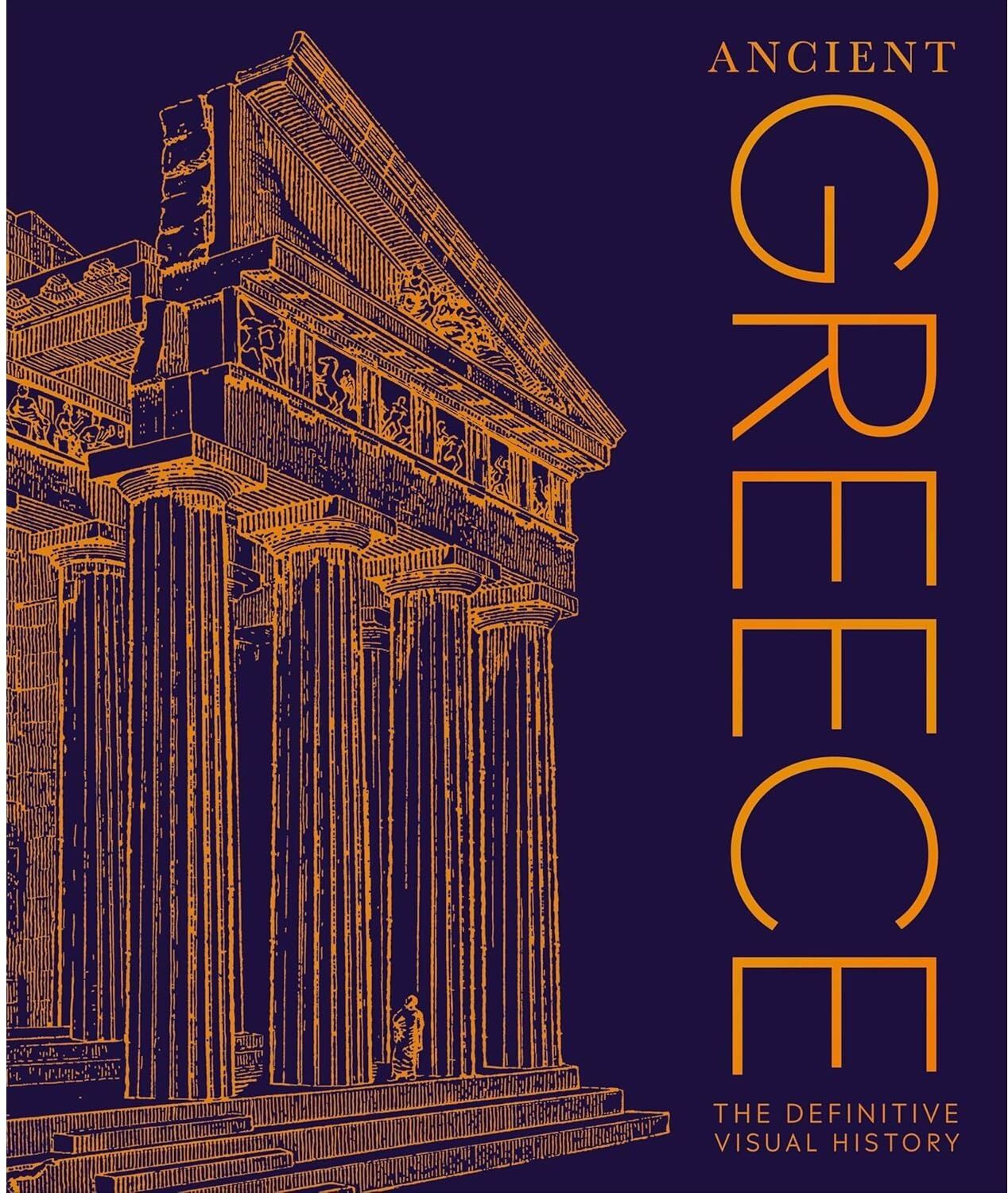
Ancient Greece: The Definitive Visual History (DK Classic History)Embark upon a fascinating journey through ancient Greece – from its rise and fall to its lasting legacy throughout the Western world. Spanning more than 3,000 years, Ancient Greece explores the tumultuous history of this glorious empire in vivid detail – from its Minoan and Mycenaean origins to the apogee of the warring city-states of Athens and Sparta, and from the death of its most charismatic leader, Alexander the Great, to its ultimate defeat by Rome. Sumptuous photography and authoritative, engaging text cover every facet of life in ancient Greece, from art, entertainment, and schools of thought to politics, medicine, and war, while the myths and religious beliefs of the ancient culture are explored and explained in depth. Greece’s military and political power shines through in fascinating maps of its legendary battles. Buried palaces and the Athenian Agora where Plato and Socrates discussed philosophy are brought back to life with stunning CGI artworks. And the stories of everyone from ordinary citizens to lawmakers and the first Olympic athletes are retold through eyewitness accounts and original artefacts.19,99 £*Shipping: 2,99 £Secure redirect to the provider
-
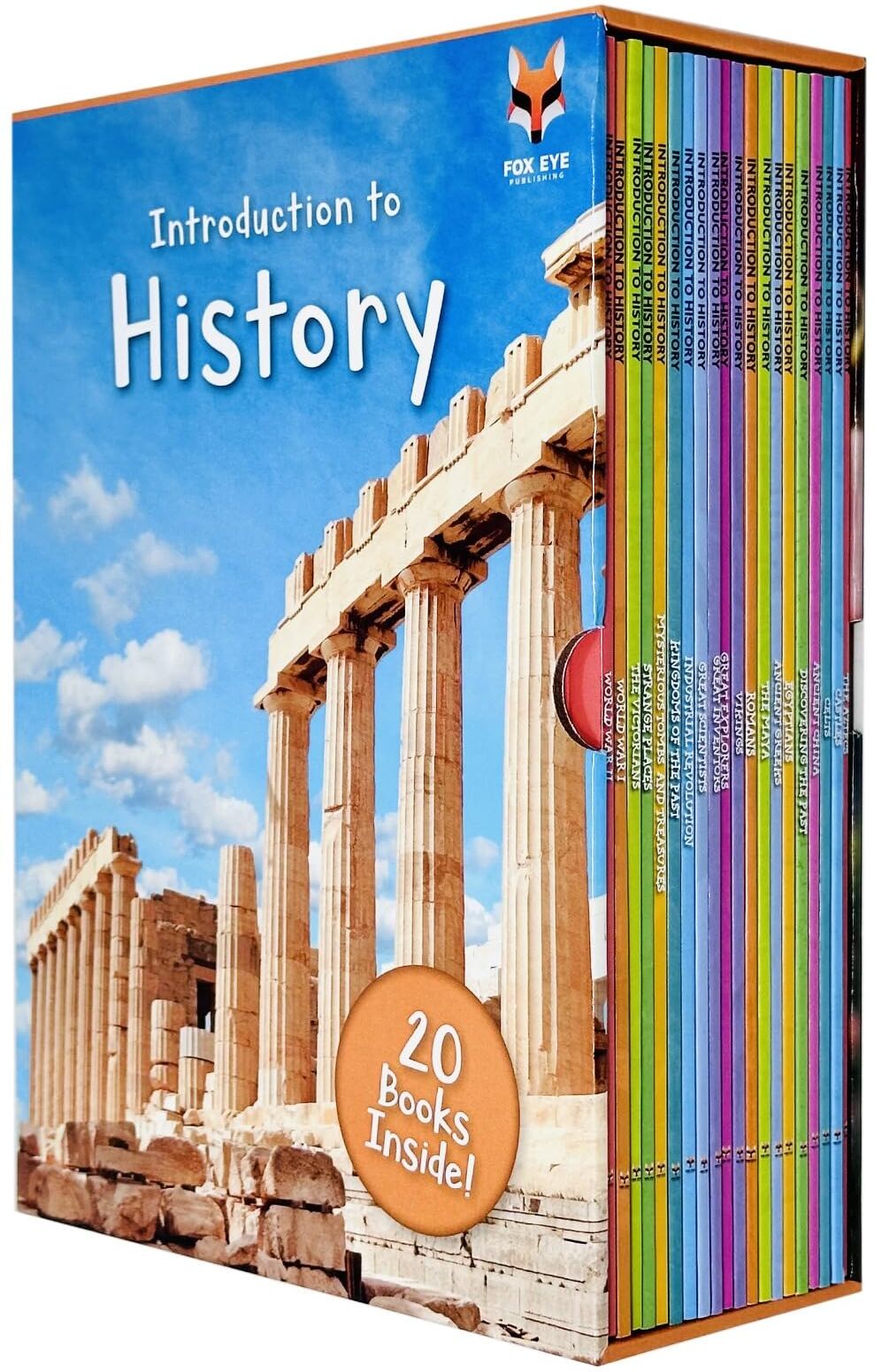
Fox Eye Publishing Introduction to History 20 Books Collection Box Set – Educational History Learning CollectionIntroduction to History 20 Books Collection Box Set (The Aztecs, Castles, Celts, Ancient China, Discovering the Past, Egyptians, Ancient Greeks, The Maya, Romans, Vikings, Great Explorers and More) Books in This Collection: Introduction to The Aztecs Introduction to Castles Introduction to Celts Introduction to Ancient China Introduction to Discovering the Past Introduction to Egyptians Introduction to Ancient Greeks Introduction to The Maya Introduction to Romans Introduction to Vikings Introduction to Great Explorers Introduction to Great Inventors Introduction to Great Scientists Introduction to Industrial Revolution Introduction to Kingdoms of the Past Introduction to Mysterious Tombs and Treasures Introduction to Strange Places Introduction to The Victorians Introduction to World War I Introduction to World War II12,99 £*Shipping: 2,99 £Secure redirect to the provider

-
How are corpses dissected in dentistry?
In dentistry, corpses are dissected to study the anatomy of the head and neck region, including the teeth, jaws, and surrounding structures. This process helps dental students and professionals understand the intricate details of the oral cavity and prepare them for various dental procedures. Dissection involves carefully cutting and examining the tissues and structures of the cadaver to gain a better understanding of their relationships and functions. It is a crucial part of dental education and research to enhance the knowledge and skills of dental professionals. **
-
Are animals dissected in the classroom?
Yes, animals are dissected in some classroom settings, particularly in biology and anatomy classes. Dissection is often used as a hands-on learning tool to help students understand the anatomy and physiology of different species. However, many schools and educators are moving towards alternative methods such as virtual dissection or 3D models to reduce the use of animal specimens. Some students may also have the option to opt out of participating in animal dissection for ethical or personal reasons. **
-
Are cadavers dissected in physiotherapy school?
Yes, cadavers are often dissected in physiotherapy school as part of the anatomy and physiology curriculum. This hands-on experience allows students to gain a deeper understanding of the human body's structure and function, which is essential for their future practice as physiotherapists. Dissection also provides students with the opportunity to learn about the relationships between different body structures and how they relate to movement and function. It is a valuable learning experience that helps students develop a comprehensive understanding of the human body. **
-
How are corpses dissected at the MHH in Hannover?
At the MHH in Hannover, corpses are dissected in a controlled and respectful manner. The process begins with obtaining consent from the deceased person or their next of kin. The dissection is performed by trained medical professionals in a dedicated facility, following strict ethical and legal guidelines. The goal of the dissection is to further medical knowledge and education, and the process is carried out with the utmost care and professionalism. **


Why do plants in the submerged zone often have finely dissected leaves?
Plants in the submerged zone often have finely dissected leaves because it helps them to adapt to their environment. Finely dissected leaves have a larger surface area, which allows for more efficient gas exchange and nutrient absorption from the water. This adaptation also helps to reduce the resistance of water flow, allowing the plants to thrive in the submerged environment. Additionally, the finely dissected leaves can help to minimize damage from strong water currents and reduce the risk of being uprooted. **
Why do plants in the submerged leaf zone often have finely dissected leaves?
Plants in the submerged leaf zone often have finely dissected leaves to increase their surface area for efficient absorption of nutrients and gases dissolved in the water. The finely dissected leaves also help reduce drag from water currents, allowing the plants to remain stable in their underwater environment. Additionally, the increased surface area helps in photosynthesis, as it allows for more sunlight to be captured for energy production. **
Top-Angebote
Products related to Dissected:
-
From the Archives: Black History and Culture Value PackThis brand-new series is rooted in a profound commitment to shedding light on some of the important -- and often lesser-known -- aspects of Black history. From the Archives features landmarks, events, people, and artistic endeavors that have played...26,99 $*Shipping: 0,00 $Secure redirect to the provider
-
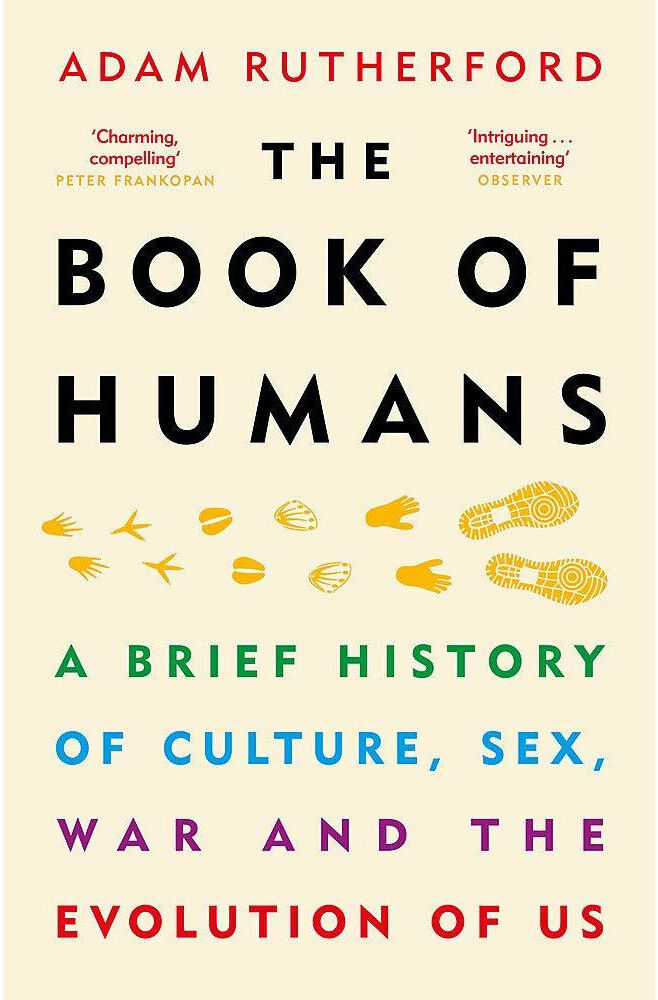
Orion The Book of Humans by Adam Rutherford – A Brief History of Culture, Sex, War & EvolutionWHAT MAKES US HUMAN? Waging war? Sex for pleasure? Creating art? Mastery of fire? In this thrilling tour of the animal kingdom, Adam Rutherford tells the story of how we became the unique creatures we are today. Illuminated by the latest scientific discoveries, THE BOOK OF HUMANS is a dazzling compendium of what unequivocally fixes us as animals, and reveals how we are extraordinary among them.4,98 £*Shipping: 1,99 £Secure redirect to the provider
-
Ancient Rome: The Definitive Visual History (DK Classic History)Immerse yourself in the history of ancient Rome - from its origins as a small settlement on the Palatine Hill to its peak as an empire reigning over 90 million people, and its tumultuous decline. Covering more than 1,000 years of history, and an empire that stretched from Scotland to Syria, Ancient Rome reveals in vivid detail all of the key political, cultural, and military events that shaped the Roman Empire and explores what it was like to live in a society that laid the foundations for many aspects of the modern world. Sumptuous photography and engaging text cover every facet of life in ancient Rome, from art, entertainment, and fashion to engineering, medicine, and war, while detailed maps trace the rise of the mighty Roman Empire. Step back in time in the pages of this history book to discover:- Themed spreads explore developments in areas such as sculpture, religion, warfare, and engineering. - Includes tales of the most dramatic events and battles in Roman history, as well as profiles of influential historical and cultural figures. - An optional 80pp reference section includes sections on rulers, gods and goddesses, and key sites. Featuring Rome's greatest emperors, from Augustus to Constantine, as well as profiles of generals, historians, and influential women, Ancient Rome also delves into the fascinating stories of gladiators, bakers, and enslaved people. The most iconic buildings of Rome are brought to life with specially commissioned CGI recreations, while the stories of ordinary citizens, soldiers, and persecuted groups from across the empire are told with the help of illustrations, artefacts, and eyewitness accounts. Beautifully illustrated and unparalleled in scope, Ancient Rome is the perfect book for anyone who is interested in this defining period of world history.19,95 £*Shipping: 2,99 £Secure redirect to the provider
-
Ancient Greece: The Definitive Visual History (DK Classic History)Embark upon a fascinating journey through ancient Greece – from its rise and fall to its lasting legacy throughout the Western world. Spanning more than 3,000 years, Ancient Greece explores the tumultuous history of this glorious empire in vivid detail – from its Minoan and Mycenaean origins to the apogee of the warring city-states of Athens and Sparta, and from the death of its most charismatic leader, Alexander the Great, to its ultimate defeat by Rome. Sumptuous photography and authoritative, engaging text cover every facet of life in ancient Greece, from art, entertainment, and schools of thought to politics, medicine, and war, while the myths and religious beliefs of the ancient culture are explored and explained in depth. Greece’s military and political power shines through in fascinating maps of its legendary battles. Buried palaces and the Athenian Agora where Plato and Socrates discussed philosophy are brought back to life with stunning CGI artworks. And the stories of everyone from ordinary citizens to lawmakers and the first Olympic athletes are retold through eyewitness accounts and original artefacts.19,99 £*Shipping: 2,99 £Secure redirect to the provider
-
Are animals dissected in class?
Yes, animals are sometimes dissected in science classes as part of the curriculum to help students learn about anatomy and biology. This hands-on approach allows students to observe and understand the internal structures of different animals. However, many schools now offer alternatives to animal dissection, such as virtual dissection software or models, to accommodate students who may be uncomfortable with or opposed to the practice. **
-
How is a pulsar dissected?
A pulsar is dissected by studying its electromagnetic radiation emissions across different wavelengths, such as radio, X-ray, and gamma-ray. Scientists analyze the pulsar's pulse profile, period, and dispersion measure to understand its rotation rate, magnetic field strength, and distance. By observing how these properties change over time, researchers can gain insights into the pulsar's internal structure, composition, and evolution. Additionally, studying the pulsar's surrounding environment and any companion objects can provide further clues about its formation and dynamics. **
-
How are corpses dissected in dentistry?
In dentistry, corpses are dissected to study the anatomy of the head and neck region, including the teeth, jaws, and surrounding structures. This process helps dental students and professionals understand the intricate details of the oral cavity and prepare them for various dental procedures. Dissection involves carefully cutting and examining the tissues and structures of the cadaver to gain a better understanding of their relationships and functions. It is a crucial part of dental education and research to enhance the knowledge and skills of dental professionals. **
-
Are animals dissected in the classroom?
Yes, animals are dissected in some classroom settings, particularly in biology and anatomy classes. Dissection is often used as a hands-on learning tool to help students understand the anatomy and physiology of different species. However, many schools and educators are moving towards alternative methods such as virtual dissection or 3D models to reduce the use of animal specimens. Some students may also have the option to opt out of participating in animal dissection for ethical or personal reasons. **
Similar search terms for Dissected
-
Fox Eye Publishing Introduction to History 20 Books Collection Box Set – Educational History Learning CollectionIntroduction to History 20 Books Collection Box Set (The Aztecs, Castles, Celts, Ancient China, Discovering the Past, Egyptians, Ancient Greeks, The Maya, Romans, Vikings, Great Explorers and More) Books in This Collection: Introduction to The Aztecs Introduction to Castles Introduction to Celts Introduction to Ancient China Introduction to Discovering the Past Introduction to Egyptians Introduction to Ancient Greeks Introduction to The Maya Introduction to Romans Introduction to Vikings Introduction to Great Explorers Introduction to Great Inventors Introduction to Great Scientists Introduction to Industrial Revolution Introduction to Kingdoms of the Past Introduction to Mysterious Tombs and Treasures Introduction to Strange Places Introduction to The Victorians Introduction to World War I Introduction to World War II12,99 £*Shipping: 2,99 £Secure redirect to the provider
-
OM Books International Encyclopedia of History 8 Books Collection Set – World War History & Educational Learning CollectionEncyclopedia of History set of 8 books (World War I, World War II, World War II and Indias Freedom Struggle, Mid Nineteenth and Twentieth Centuries, The French Revolution & More): Titles in This Set: Encyclopedia: World War I Encyclopedia: World War II Encyclopedia: World War II and Indias Freedom Struggle Encyclopedia: Mid Nineteenth and Twentieth Centuries Encyclopedia: The French Revolution Encyclopedia: Middle Ages and the Emergence of Modern Europe Encyclopedia: Prominent Civilisations Encyclopedia: Ancient History Description: What made humans the way they are today? How were civilisations formed and erased? What makes up history? Get answers to all the questions and more in this history encyclopedia. Go back in time and learn all about human history, right from the time man began his journey in stone caves. Relive epic battles, learn about the rise and fall of great empires and a lot more.9,90 £*Shipping: 2,99 £Secure redirect to the provider
-
Domani Traditions Southwestern Bordered Jute RugOur Domani Traditions collection brings distressed traditional designs in bold modern colors for a transitional boho twist! Hand-woven jute and polyester chenille chindis add comfort and natural elements to your home.369,99 $*Shipping: 0,00 $Secure redirect to the provider
-
Are cadavers dissected in physiotherapy school?
Yes, cadavers are often dissected in physiotherapy school as part of the anatomy and physiology curriculum. This hands-on experience allows students to gain a deeper understanding of the human body's structure and function, which is essential for their future practice as physiotherapists. Dissection also provides students with the opportunity to learn about the relationships between different body structures and how they relate to movement and function. It is a valuable learning experience that helps students develop a comprehensive understanding of the human body. **
-
How are corpses dissected at the MHH in Hannover?
At the MHH in Hannover, corpses are dissected in a controlled and respectful manner. The process begins with obtaining consent from the deceased person or their next of kin. The dissection is performed by trained medical professionals in a dedicated facility, following strict ethical and legal guidelines. The goal of the dissection is to further medical knowledge and education, and the process is carried out with the utmost care and professionalism. **
-
Why do plants in the submerged zone often have finely dissected leaves?
Plants in the submerged zone often have finely dissected leaves because it helps them to adapt to their environment. Finely dissected leaves have a larger surface area, which allows for more efficient gas exchange and nutrient absorption from the water. This adaptation also helps to reduce the resistance of water flow, allowing the plants to thrive in the submerged environment. Additionally, the finely dissected leaves can help to minimize damage from strong water currents and reduce the risk of being uprooted. **
-
Why do plants in the submerged leaf zone often have finely dissected leaves?
Plants in the submerged leaf zone often have finely dissected leaves to increase their surface area for efficient absorption of nutrients and gases dissolved in the water. The finely dissected leaves also help reduce drag from water currents, allowing the plants to remain stable in their underwater environment. Additionally, the increased surface area helps in photosynthesis, as it allows for more sunlight to be captured for energy production. **
* All prices are inclusive of VAT and, if applicable, plus shipping costs. The offer information is based on the details provided by the respective shop and is updated through automated processes. Real-time updates do not occur, so deviations can occur in individual cases. ** Note: Parts of this content were created by AI.