Buy tataria.eu ?
We are moving the project
tataria.eu .
Are you interested in purchasing the domain
tataria.eu ?
domain@kv-gmbh.de · 0541-91531010
Buy tataria.eu ?
Should I become a pilot or a co-pilot?
The decision to become a pilot or a co-pilot depends on your personal preferences, career goals, and level of responsibility you are comfortable with. Pilots have the ultimate authority and responsibility for the aircraft and its passengers, while co-pilots support the pilot and assist in flying the plane. If you enjoy taking on more leadership roles and making critical decisions, becoming a pilot may be the right choice for you. However, if you prefer a supportive role and working as part of a team, being a co-pilot could be a better fit. Ultimately, consider your strengths, interests, and career aspirations to make the best decision for yourself. **
After pilot training, who becomes the captain or co-pilot?
After pilot training, the most common path to becoming a captain or co-pilot is to gain experience as a first officer, also known as a co-pilot. First officers typically accumulate flight hours and experience working alongside a captain before being promoted to the role of captain. This progression allows pilots to develop the necessary skills and knowledge to safely and effectively operate as the pilot in command of an aircraft. **

Similar search terms for Co-pilot
Top-Angebote
Products related to Co-pilot:
-
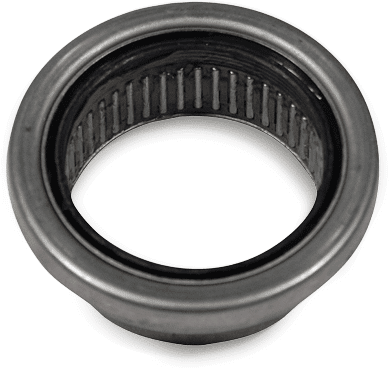
JP GROUP 1110452702 Pilot bearing, clutchWidth [mm]: 23,5; Bearing Type: Needle Bearing; Inner Diameter [mm]: 15; for PR number: G1C, G1A, G1D, G0R, G0K, G0L, G0C, 0EG, 0IJ; Transmission Type: 7-Speed Dual-Clutch Transmission, 6-Speed Automatic Transmission, Dual-Clutch Transmission, 6-Speed Manual Transmission, 6-Speed Dual-Clutch Transmission, 7-Speed Automatic Transmission, 5-Speed Manual Transmission, for 7-speed automatic transmission; Engine Code: CMXA, CCSA, CAVG,CTHG, CAVG, CTHG, BGU, BSE, BSF, AXX, BPY, BWA, CAWB, CBFA, CCZA, CCTA, BMN, CNEA, DCYB, CRBC, CRLB, DCYA, DEJA, DFGA, CLRA, CKFC, CHHB, CNTC, CXDA, CHHA, CHPA, CRUA, DBGA, CUNA, CZDA, CZEA, CUNA, DGCA, CNTA, CHPB, CZCA, DFEA, CUWA, CXEB, CXXB, CUVC, DFLA, CXFA, CXHA, DFFA, DTTA, DTTC, DNUE, DJHA, DDYA, DGTA, DSRA, DSRB, DTSA, DTSB, CHZL, DKLA, DLAC, DXTA, CHZJ, DKJA, DKRF, DXUA, DUSA, DPCA, DFYA, DGEA, DNFF; TecDoc Engine Number: 24313, 22665, 23937, 16871, 20711, 20712, 17450, 19199, 20704, 20714, 22170, 22663, 18471, 18245, 18246, 18541, 20732, 20795, 18222, 18223, 20780, 20710, 24325, 27196, 27202, 32774, 34063, 34412, 27078, 27197, 27976, 31415, 35413, 27977, 26724, 26725, 29213, 33133, 33136, 33137, 28035, 29242, 29249, 29285, 27858, 29248, 31777, 30259, 31317, 31357, 31372, 31428, 33097, 31318, 31329, 33070, 44687, 45210, 36213, 34399, 33476, 39183, 39184, 40475, 40476, 34874, 36992, 40415, 45771, 34933, 34950, 36358, 45772, 34965, 45117, 33895, 44646, 44680, 50810, 44304, 38450, 38451, 39967, 44059, 45057, 47555; Transmission Code: DSG, S tronic; Construction Year from: 05/2017, 01/2019, 08/2022, 01/2022; Number of Gears: 7 Speed; Model Year from: 2017; Production date to: 20.09.2021, 02.01.2022; Construction Year to: 10/2021; for combined PR number: 0IJ+G1C15,49 £*Shipping: 8,45 £Secure redirect to the provider


-
How many hours does a pilot and a co-pilot work?
Pilots and co-pilots typically work in shifts that can vary depending on the airline and the specific flight schedule. On average, pilots and co-pilots work around 75 to 80 hours per month, which includes both flying time and other duties such as pre-flight planning and post-flight paperwork. However, there are regulations in place to ensure that pilots and co-pilots do not exceed a certain number of flight hours in order to prevent fatigue and ensure safety. **
-
Do pilots have the same co-pilot?
Pilots do not always have the same co-pilot. In commercial aviation, co-pilots are typically assigned to flights based on scheduling and availability. This means that pilots may work with different co-pilots on different flights. However, in some cases, pilots may have a regular co-pilot with whom they frequently fly, especially in smaller airlines or private aviation. Ultimately, the pairing of pilots and co-pilots can vary depending on the airline's policies and scheduling. **
-
What happens if the pilot and co-pilot are unable to fly?
If the pilot and co-pilot are unable to fly, the airline will typically have a backup plan in place. This could involve having reserve pilots on standby who can step in to operate the flight. In some cases, the airline may also have the option to delay the flight until a qualified crew is available. Additionally, some aircraft are equipped with technology that allows for remote piloting in the event of an emergency, although this is not yet a widespread practice. Ultimately, the safety and well-being of the passengers and crew are the top priority, and the airline will take all necessary measures to ensure a qualified crew is available to operate the flight. **
-
How long is one a co-pilot? Is every pilot a co-pilot at the beginning or only for a certain period of time?
A co-pilot is typically in training to become a fully qualified pilot. The length of time one spends as a co-pilot can vary depending on the specific training program and the individual's progress. Not every pilot starts as a co-pilot, as some may enter the profession with prior experience or training. However, for those who do start as co-pilots, it is a transitional period before they become fully qualified pilots. **


How long is the training to become a co-pilot?
The training to become a co-pilot typically takes around 1-2 years. This includes obtaining a commercial pilot's license, gaining flight experience, and completing specific co-pilot training programs. The length of the training can vary depending on the individual's prior experience, the specific training program, and the requirements of the airline or organization they are training with. **
After being a fighter pilot, do you become a co-pilot or go directly to captain?
After being a fighter pilot, the typical career progression in commercial aviation is to start as a co-pilot, also known as a first officer. Co-pilots gain experience and flight hours before eventually being promoted to the role of captain. The transition from fighter pilot to commercial pilot involves additional training and certification specific to commercial aircraft operations. **
Top-Angebote
Products related to Co-pilot:
-
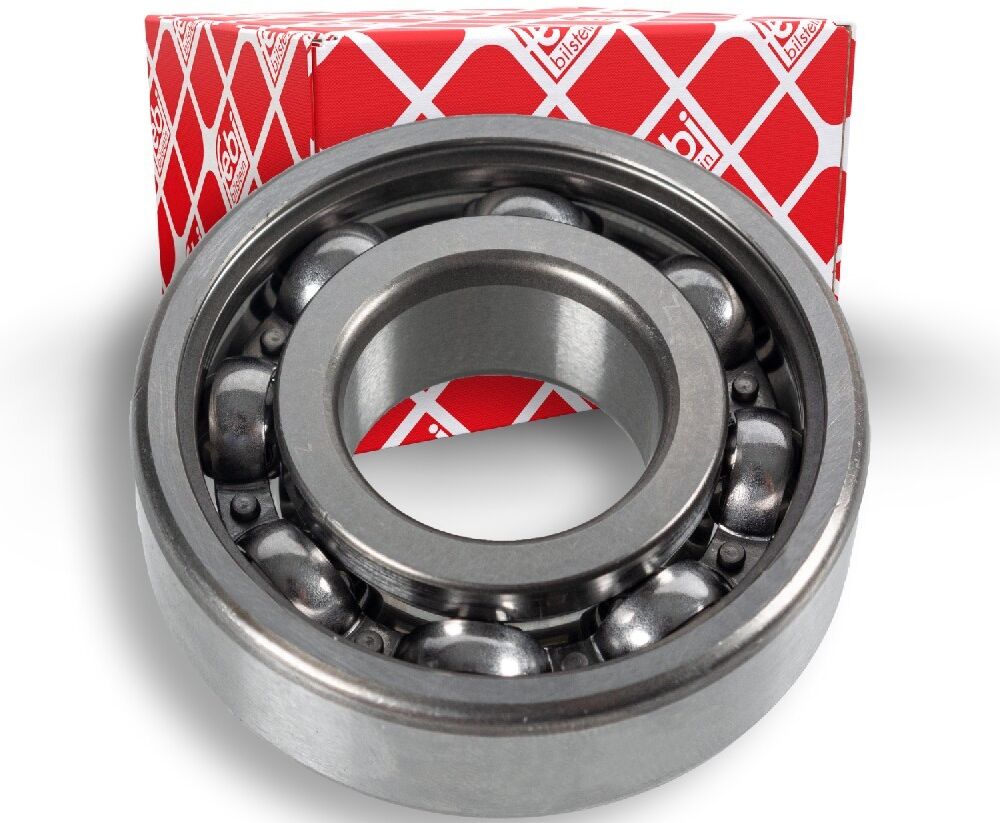
KAWE 10037 Pilot bearing, clutchParameter: LL; Outer Diameter 1 [mm]: 24; Width [mm]: 16; Inner Diameter [mm]: 18; Construction Year to: 12/1987, 07/1989, 07/1986; Construction Year from: 01/1988, 01/1985; Engine Number to: 049108, 001281, 002861; Vehicle Identification Number (VIN) to: K#150000; TecDoc Engine Number: 331, 937516,99 £*Shipping: 8,45 £Secure redirect to the provider
-
Should I become a pilot or a co-pilot?
The decision to become a pilot or a co-pilot depends on your personal preferences, career goals, and level of responsibility you are comfortable with. Pilots have the ultimate authority and responsibility for the aircraft and its passengers, while co-pilots support the pilot and assist in flying the plane. If you enjoy taking on more leadership roles and making critical decisions, becoming a pilot may be the right choice for you. However, if you prefer a supportive role and working as part of a team, being a co-pilot could be a better fit. Ultimately, consider your strengths, interests, and career aspirations to make the best decision for yourself. **
-
After pilot training, who becomes the captain or co-pilot?
After pilot training, the most common path to becoming a captain or co-pilot is to gain experience as a first officer, also known as a co-pilot. First officers typically accumulate flight hours and experience working alongside a captain before being promoted to the role of captain. This progression allows pilots to develop the necessary skills and knowledge to safely and effectively operate as the pilot in command of an aircraft. **
-
How many hours does a pilot and a co-pilot work?
Pilots and co-pilots typically work in shifts that can vary depending on the airline and the specific flight schedule. On average, pilots and co-pilots work around 75 to 80 hours per month, which includes both flying time and other duties such as pre-flight planning and post-flight paperwork. However, there are regulations in place to ensure that pilots and co-pilots do not exceed a certain number of flight hours in order to prevent fatigue and ensure safety. **
-
Do pilots have the same co-pilot?
Pilots do not always have the same co-pilot. In commercial aviation, co-pilots are typically assigned to flights based on scheduling and availability. This means that pilots may work with different co-pilots on different flights. However, in some cases, pilots may have a regular co-pilot with whom they frequently fly, especially in smaller airlines or private aviation. Ultimately, the pairing of pilots and co-pilots can vary depending on the airline's policies and scheduling. **
Similar search terms for Co-pilot
-
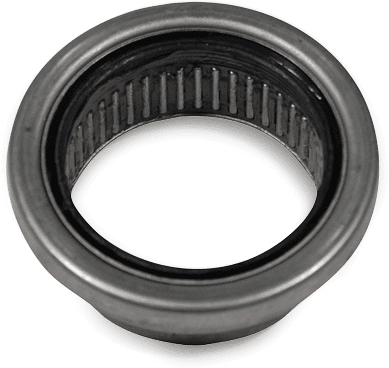
JP GROUP 1110452702 Pilot bearing, clutchWidth [mm]: 23,5; Bearing Type: Needle Bearing; Inner Diameter [mm]: 15; for PR number: G1C, G1A, G1D, G0R, G0K, G0L, G0C, 0EG, 0IJ; Transmission Type: 7-Speed Dual-Clutch Transmission, 6-Speed Automatic Transmission, Dual-Clutch Transmission, 6-Speed Manual Transmission, 6-Speed Dual-Clutch Transmission, 7-Speed Automatic Transmission, 5-Speed Manual Transmission, for 7-speed automatic transmission; Engine Code: CMXA, CCSA, CAVG,CTHG, CAVG, CTHG, BGU, BSE, BSF, AXX, BPY, BWA, CAWB, CBFA, CCZA, CCTA, BMN, CNEA, DCYB, CRBC, CRLB, DCYA, DEJA, DFGA, CLRA, CKFC, CHHB, CNTC, CXDA, CHHA, CHPA, CRUA, DBGA, CUNA, CZDA, CZEA, CUNA, DGCA, CNTA, CHPB, CZCA, DFEA, CUWA, CXEB, CXXB, CUVC, DFLA, CXFA, CXHA, DFFA, DTTA, DTTC, DNUE, DJHA, DDYA, DGTA, DSRA, DSRB, DTSA, DTSB, CHZL, DKLA, DLAC, DXTA, CHZJ, DKJA, DKRF, DXUA, DUSA, DPCA, DFYA, DGEA, DNFF; TecDoc Engine Number: 24313, 22665, 23937, 16871, 20711, 20712, 17450, 19199, 20704, 20714, 22170, 22663, 18471, 18245, 18246, 18541, 20732, 20795, 18222, 18223, 20780, 20710, 24325, 27196, 27202, 32774, 34063, 34412, 27078, 27197, 27976, 31415, 35413, 27977, 26724, 26725, 29213, 33133, 33136, 33137, 28035, 29242, 29249, 29285, 27858, 29248, 31777, 30259, 31317, 31357, 31372, 31428, 33097, 31318, 31329, 33070, 44687, 45210, 36213, 34399, 33476, 39183, 39184, 40475, 40476, 34874, 36992, 40415, 45771, 34933, 34950, 36358, 45772, 34965, 45117, 33895, 44646, 44680, 50810, 44304, 38450, 38451, 39967, 44059, 45057, 47555; Transmission Code: DSG, S tronic; Construction Year from: 05/2017, 01/2019, 08/2022, 01/2022; Number of Gears: 7 Speed; Model Year from: 2017; Production date to: 20.09.2021, 02.01.2022; Construction Year to: 10/2021; for combined PR number: 0IJ+G1C15,49 £*Shipping: 8,45 £Secure redirect to the provider
-
PETERS ENNEPETAL 030.390-00A Pilot bearing, clutchHeight: 17; Weight [kg]: 0,227; Inner Diameter [mm]: 25; Outer Diameter [mm]: 62; Quantity Unit: Piece; Engine Number from: 6 302 554, 8 103 230; Engine Number to: 6 302 553, 8 103 229; Engine Code: D2066 LF01/LF02/, D2840 LF/LF01/LF03/, D2840 LF/LF03/LF420/, D2840 LF01/LF04/LF06, D2840 LF20/LF21/, D2865 LF/LF01/LF02/, D2865 LF21/LF22/, D2866 F/FR, D2866 F/FR/KF/LF/LXF, D2866 F/FR/LF/LXF, D2866 KF/LF/LXF, D2866 LF/LF20/LF21/, D2866 LF/LXF, D2866 LF20/LF21/, D2866 LF26/LF27/, D2876 LF01/LF02/, D2876 LF04/LF05/, D2876 LF12/LF13/LF25, DC11 01, DC11 02, DC11 03, DC11 04, DC11 06, DC11 07, DC12 01, DC12 02, DC12 03, DC12 09, DC12 16, DC16 01, DC16 02, DC9 01, DC9 02, DC9 03, DC9 04, DC9 05, DC9 06, DSC11 74, DSC11 75, DSC11 79, DSC12 01, DSC12 02, DSC12 03, DSC12 05, DSC14 13, DSC14 15, DSC9 11, DSC9 12, DSC9 13, DSC9 15, DSI9 E01, DT12 02, DT12 08, DT12 10, E2866 DF01/DOH01, LF03/LF04/LF05/LF06/, LF03/LF04/LF06/LF07/, LF03/LF05/LF06/LF09/, LF03/LF06/LF08/LF09/, LF04/LF06/LF420/, LF07/LF08/LF09/LF10/, LF07/LF11/LF12/LF13/, LF10/LF14/LF17, LF10/LF21/LF22/LF23/, LF10/LFR/LFR01/LXF/, LF11/LF12/LF13/LF14/, LF17/LF20/LF21/LF22/, LF20/LF21/LF22/LF24/, LF22/LF23/LF24/LF25/, LF23/LF24, LF23/LF24/LF27/LF28, LF24/LF25, LF24/LFR/LFR01/LXF/, LF25, LF26/LF27/LF28/LF29/, LF27/LF28/LF30/LF31/, LF28/LF32/LF36/LF37/, LF29/LF30/LF31/LF34/, LF30/LF31/LF32/LF34/, LF33/LF34/LF35/LF38/, LF35/LF36/LF37/LF38/, LF35/LF38/LF39/LF40/, LF39/LF40/LF41/LF43/, LF39/LF43, LF41/LF43, LF45, LF45/LXF, LF520/LXF, LXFR, OSC11 G03, OSC9 G01; Vehicle type: K124EB4X2LI360, K124EB4X2LI420, K124EB4X2NI360, K124EB4X2NI400, K124EB4X2NI420, K124EB6X2*4LI420, K124EB6X2*4NI420, K124EB6X2LI360, K124EB6X2LI420, K124EB6X2NI360, K124EB6X2NI420, K124IB4X2NB360, K124IB4X2NB380, K124IB4X2NB400, K124IB4X2NB420, K124IB6X2NB360, K124IB6X2NB400, K124IB6X2NB420, K124IB8X2NB400, K124IB8X2NB420; Fitting Position: Rear; Required quantity: 1; Supplementary Article / Supplementary Info Info 2: with flywheel10,49 £*Shipping: 8,45 £Secure redirect to the provider
-
PETERS ENNEPETAL 010.042-00A Pilot bearing, clutchHeight: 24; Weight [kg]: 0,32; Inner Diameter [mm]: 25; Outer Diameter [mm]: 62; Quantity Unit: Piece; Vehicle Equipment Line/Trim Level: (01,20,03) 018304, (01,20,03) 018304/01, (01,20,03) 018304/11, (01,20,03) 018304/13, (01,20,03) 018304/14, (01,20,03) 018304/51, (01,20,03) 018304/58, (01,20,03) 018304/61, (01,20,03) 018304/64, (01,20,03) 018304/79, (03) 505120/01, (03) 505120/01/10, (03) 505120/10, (03) 522019/03, 01-02/10/33/58/60-61, 01-02/33, 01/58, 01/58/64, 01/64, 02/10/33/60-61/63, 12/14, 63, Series; Engine Code: 401.905, 401.905/906, 401.905/906/924, 401.905/914, 401.905/914/915/924, 401.905/914/923, 401.905/914/923/924, 401.905/914/923/925, 401.905/914/924, 401.905/914/924/928, 401.905/914/925/926, 401.905/923, 401.905/923/924, 401.905/924, 401.905/925, 401.908, 401.909, 401.909/916, 401.909/916/924, 401.909/924, 401.912, 401.914/922, 401.918, 401.918/919, 401.918/919/922, 401.918/919/922/924, 401.919/922, 401.919/922/924, 401.923/927, 401.924, 401.970, 401.970/974, 401.972/973/975/977, 401.972/973/977/979, 401.972/975/977, 401.972/978/979/993, 401.972/979, 401.972/979/981/987, 401.972/979/993, 401.973, 401.973/975, 401.973/975/977, 401.973/975/977/979, 401.973/975/978/979, 401.973/975/979, 401.973/975/994, 401.973/977, 401.973/977/979, 401.973/977/991, 401.973/978, 401.973/978/979/980, 401.973/978/980, 401.973/978/984/989, 401.973/978/984/990, 401.973/979, 401.973/984/989, 401.973/989, 401.974/984/986/990, 401.975, 401.975/977, 401.975/978, 401.975/979, 401.977/978, 401.979, 401.979/981/987, 401.979/986/993, 401.979/993, 401.984/986, 401.984/986/989, 401.984/986/990, 401.984/989, 401.985/991, 401.986, 402.905, 402.906, 402.906/925, 402.906/971/972/975, 402.906/971/975/978, 402.906/972/975/978, 402.906/975/978/996, 402.907, 402.910, 402.910/911, 402.910/911/923, 402.910/911/927/928, 402.910/923, 402.910/927, 402.911, 402.911/927/928, 402.912, 402.912/916, 402.912/916/924, 402.912/926, 402.914, 402.916, 402.919, 402.924, 402.970, 402.971, 402.971/972/973/975, 402.971/972/975/978, 402.971/972/975/985, 402.971/973/977, 402.971/973/977/982, 402.971/973/977/987, 402.971/975, 402.971/975/978/985, 402.971/975/985, 402.971/975/985/986, 402.971/982/985/987, 402.971/982/987, 402.971/985, 402.971/985/989/990, 402.971/985/990, 402.971/987, 402.972, 402.972/975/978/986, 402.972/985/986, 402.972/986, 402.973/978, 402.973/978/982/983, 402.973/978/987, 402.973/982/987, 402.973/987, 402.974, 402.975/978, 402.975/978/982/983, 402.975/978/996, 402.975/985, 402.978, 402.978/982/983/987, 402.978/985, 402.978/985/996, 402.978/987, 402.978/996, 402.982, 402.982/983, 402.982/987, 402.983, 402.984, 402.985, 402.986, 402.987, 402.989, 402.990, 403.905/915, 403.915, 403.916, 403.916/933, 403.918, 403.931, 403.931/932, 403.931/932/935, 403.931/935, 403.932, 407.905, 407.905/907/908/909, 407.905/907/911/915, 407.905/908/909/910, 407.911/916/918/955, 407.913/951/955, 407.930, 407.930/932, 407.951/955, 421.905, 421.905/907, 421.906, 421.908, 421.910, 421.951,...17,99 £*Shipping: 8,45 £Secure redirect to the provider
-
What happens if the pilot and co-pilot are unable to fly?
If the pilot and co-pilot are unable to fly, the airline will typically have a backup plan in place. This could involve having reserve pilots on standby who can step in to operate the flight. In some cases, the airline may also have the option to delay the flight until a qualified crew is available. Additionally, some aircraft are equipped with technology that allows for remote piloting in the event of an emergency, although this is not yet a widespread practice. Ultimately, the safety and well-being of the passengers and crew are the top priority, and the airline will take all necessary measures to ensure a qualified crew is available to operate the flight. **
-
How long is one a co-pilot? Is every pilot a co-pilot at the beginning or only for a certain period of time?
A co-pilot is typically in training to become a fully qualified pilot. The length of time one spends as a co-pilot can vary depending on the specific training program and the individual's progress. Not every pilot starts as a co-pilot, as some may enter the profession with prior experience or training. However, for those who do start as co-pilots, it is a transitional period before they become fully qualified pilots. **
-
How long is the training to become a co-pilot?
The training to become a co-pilot typically takes around 1-2 years. This includes obtaining a commercial pilot's license, gaining flight experience, and completing specific co-pilot training programs. The length of the training can vary depending on the individual's prior experience, the specific training program, and the requirements of the airline or organization they are training with. **
-
After being a fighter pilot, do you become a co-pilot or go directly to captain?
After being a fighter pilot, the typical career progression in commercial aviation is to start as a co-pilot, also known as a first officer. Co-pilots gain experience and flight hours before eventually being promoted to the role of captain. The transition from fighter pilot to commercial pilot involves additional training and certification specific to commercial aircraft operations. **
* All prices are inclusive of VAT and, if applicable, plus shipping costs. The offer information is based on the details provided by the respective shop and is updated through automated processes. Real-time updates do not occur, so deviations can occur in individual cases. ** Note: Parts of this content were created by AI.