Buy tataria.eu ?
We are moving the project
tataria.eu .
Are you interested in purchasing the domain
tataria.eu ?
domain@kv-gmbh.de · 0541-91531010
Buy tataria.eu ?
What is the interpretation of Camus?
Albert Camus, a French philosopher and writer, is known for his philosophy of the absurd. He believed that life is inherently meaningless and that humans must confront this absurdity with courage and integrity. Camus argued that despite the lack of inherent meaning, individuals can create their own meaning through their actions and choices. He emphasized the importance of living authentically and embracing the uncertainty and absurdity of existence. **
What does Camus mean by that?
When referring to Camus, it is important to consider his philosophy of the absurd. Camus believed that life is inherently meaningless and chaotic, and that humans must confront this absurdity with courage and defiance. Therefore, when asking "What does Camus mean by that?", one should consider the context in which he is discussing the absurd and how individuals can find meaning and purpose in a seemingly indifferent universe. Camus encourages individuals to embrace the absurdity of life and create their own meaning through acts of rebellion and authenticity. **

Similar search terms for Camus
Top-Angebote
Products related to Camus:
-
Timeline Refresh 2026 - Clutch Box by Zygomatic, Card Game for 2-4 Players, Ages 10+, History and Culture TriviaTest your knowledge of history, culture, and everyday events with Timeline Refresh 2026, a compact card game for family and friends. Each round challenges players to place event cards in the correct chronological position, using the timeline already on the table as their guide. Choose an event card, estimate when it happened, and add it to the timeline. If your placement is correct, the card remains in play; if not, it is removed. The first player to position all their cards correctly wins. The game's accessible rules and varied subject matter make it an engaging way to challenge your memory and learn interesting facts while playing. The clutch box format is designed for convenient storage and portability.10,39 £*Shipping: 1,99 £Secure redirect to the provider
-
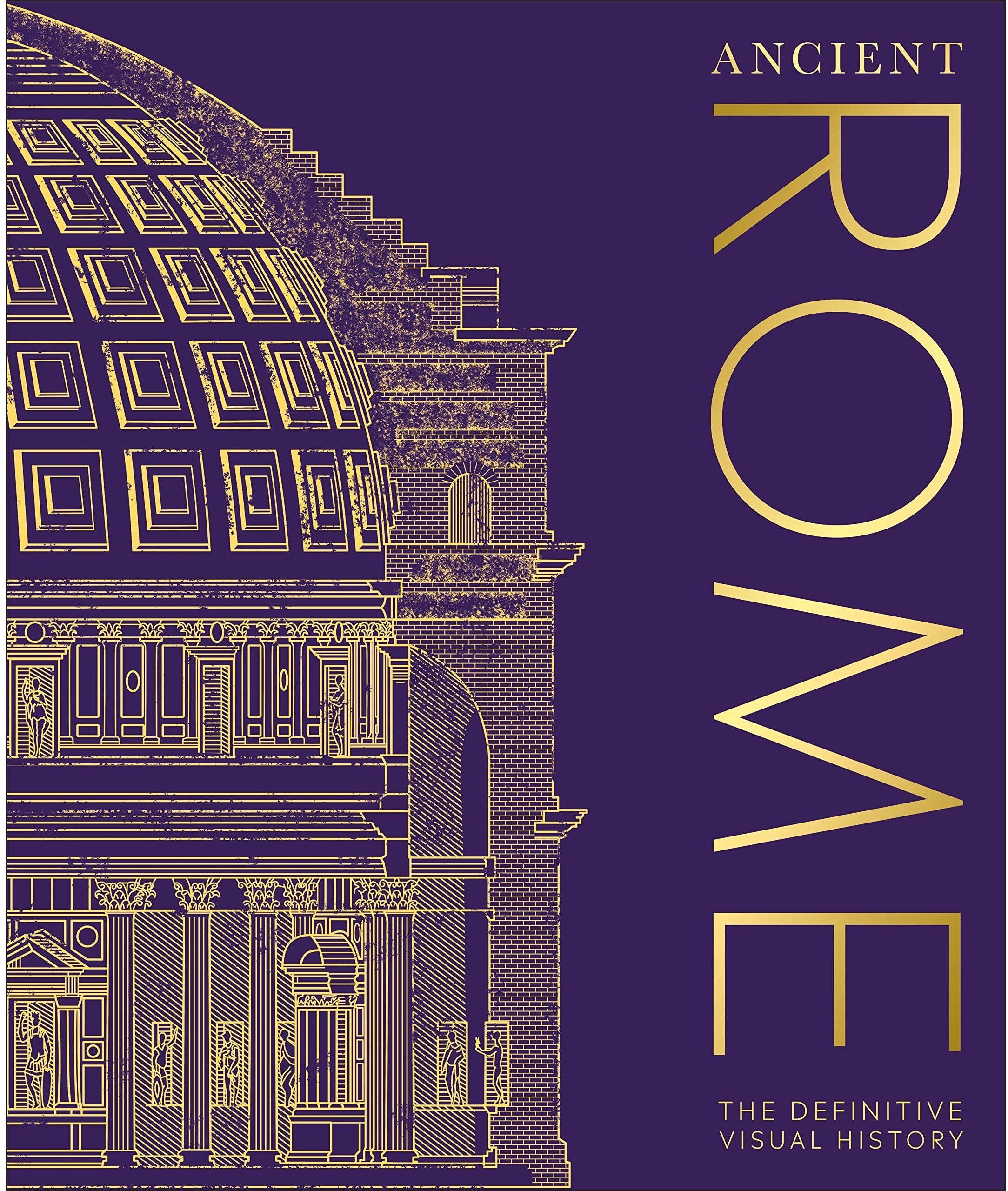
Ancient Rome: The Definitive Visual History (DK Classic History)Immerse yourself in the history of ancient Rome - from its origins as a small settlement on the Palatine Hill to its peak as an empire reigning over 90 million people, and its tumultuous decline. Covering more than 1,000 years of history, and an empire that stretched from Scotland to Syria, Ancient Rome reveals in vivid detail all of the key political, cultural, and military events that shaped the Roman Empire and explores what it was like to live in a society that laid the foundations for many aspects of the modern world. Sumptuous photography and engaging text cover every facet of life in ancient Rome, from art, entertainment, and fashion to engineering, medicine, and war, while detailed maps trace the rise of the mighty Roman Empire. Step back in time in the pages of this history book to discover:- Themed spreads explore developments in areas such as sculpture, religion, warfare, and engineering. - Includes tales of the most dramatic events and battles in Roman history, as well as profiles of influential historical and cultural figures. - An optional 80pp reference section includes sections on rulers, gods and goddesses, and key sites. Featuring Rome's greatest emperors, from Augustus to Constantine, as well as profiles of generals, historians, and influential women, Ancient Rome also delves into the fascinating stories of gladiators, bakers, and enslaved people. The most iconic buildings of Rome are brought to life with specially commissioned CGI recreations, while the stories of ordinary citizens, soldiers, and persecuted groups from across the empire are told with the help of illustrations, artefacts, and eyewitness accounts. Beautifully illustrated and unparalleled in scope, Ancient Rome is the perfect book for anyone who is interested in this defining period of world history.19,95 £*Shipping: 2,99 £Secure redirect to the provider
-
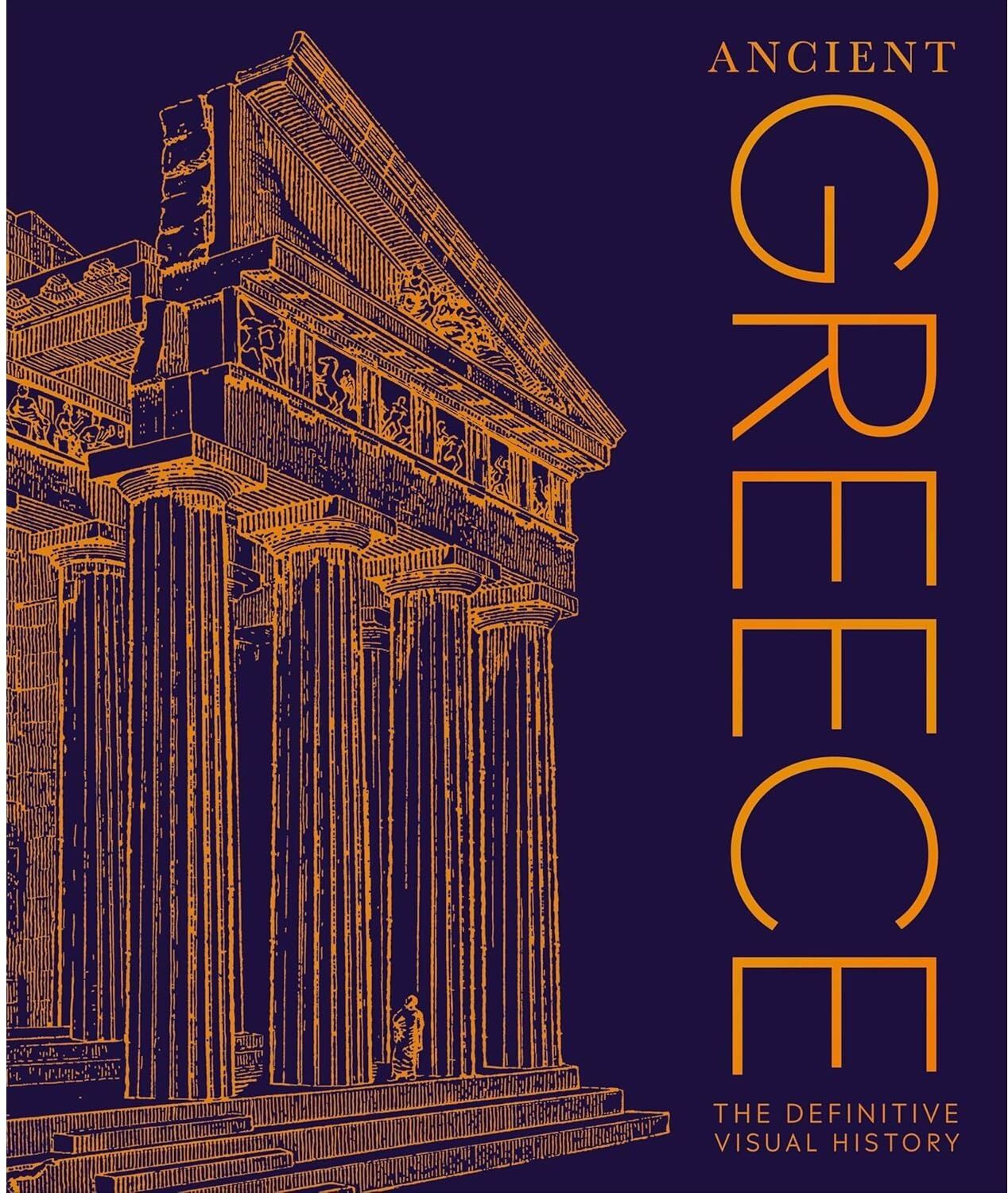
Ancient Greece: The Definitive Visual History (DK Classic History)Embark upon a fascinating journey through ancient Greece – from its rise and fall to its lasting legacy throughout the Western world. Spanning more than 3,000 years, Ancient Greece explores the tumultuous history of this glorious empire in vivid detail – from its Minoan and Mycenaean origins to the apogee of the warring city-states of Athens and Sparta, and from the death of its most charismatic leader, Alexander the Great, to its ultimate defeat by Rome. Sumptuous photography and authoritative, engaging text cover every facet of life in ancient Greece, from art, entertainment, and schools of thought to politics, medicine, and war, while the myths and religious beliefs of the ancient culture are explored and explained in depth. Greece’s military and political power shines through in fascinating maps of its legendary battles. Buried palaces and the Athenian Agora where Plato and Socrates discussed philosophy are brought back to life with stunning CGI artworks. And the stories of everyone from ordinary citizens to lawmakers and the first Olympic athletes are retold through eyewitness accounts and original artefacts.19,99 £*Shipping: 2,99 £Secure redirect to the provider


-
What are Albert Camus' quotes about life?
Albert Camus had many quotes about life, but one of his most famous ones is "In the depth of winter, I finally learned that within me there lay an invincible summer." This quote reflects his belief in the resilience of the human spirit and the ability to find hope and strength even in the darkest of times. Another well-known quote of his is "Don't walk in front of me, I may not follow. Don't walk behind me, I may not lead. Walk beside me and be my friend." This quote speaks to the importance of companionship and solidarity in navigating the complexities of life. Overall, Camus' quotes about life often touch on themes of resilience, friendship, and the search for meaning in a seemingly indifferent world. **
-
What is Daru's dilemma in Camus' "The Guest"?
Daru's dilemma in Camus' "The Guest" revolves around the conflicting moral choices he faces. As a schoolteacher in a remote Algerian village, he is caught between his duty to deliver an Arab prisoner to the authorities and his sense of compassion towards the prisoner. Daru struggles with the decision of whether to uphold the law and betray his own values or to show mercy and risk the consequences of defying the authorities. This internal conflict highlights the complexities of morality, justice, and personal responsibility in a morally ambiguous world. **
-
What is Daru's dilemma in "L'Hôte" by Camus?
In "L'Hôte" by Camus, Daru's dilemma revolves around his sense of duty and moral responsibility. As a schoolteacher in a remote Algerian village, he is caught in the middle of the conflict between the French colonial authorities and the Arab rebels. When Daru is ordered to deliver an Arab prisoner to the authorities, he is torn between his duty as a French citizen and his empathy for the prisoner's plight. He struggles with the decision of whether to hand the prisoner over or to let him go free, knowing that either choice could have serious consequences. Daru's dilemma reflects the broader themes of moral ambiguity and the complexities of colonialism in the story. **
-
How does one stop wasting life, Albert Camus?
Albert Camus believed that one can stop wasting life by embracing the concept of the "absurd" and living in the present moment. He suggested that individuals should confront the inherent meaninglessness of life and create their own purpose and meaning. By fully engaging with the world and experiencing the beauty and joy it has to offer, one can overcome the feeling of wasting life. Camus also emphasized the importance of taking responsibility for one's actions and choices, and living authentically in accordance with one's values and beliefs. **
In which book did Albert Camus write that?
Albert Camus wrote the line "In the depth of winter, I finally learned that within me there lay an invincible summer" in his book "Return to Tipasa." This line reflects Camus' existentialist philosophy and his belief in the resilience of the human spirit. The book is a collection of essays and reflections on his experiences in Tipasa, Algeria, and the themes of nature, freedom, and the human condition. **
Is Camus' Sisyphus a happy person in consciousness?
Camus' Sisyphus is not necessarily a happy person in the traditional sense, as he is condemned to an eternity of pushing a boulder up a hill only for it to roll back down each time. However, Camus argues that Sisyphus can find happiness and fulfillment in embracing the absurdity of his situation and finding meaning in the struggle itself. Sisyphus can experience a sense of contentment and defiance in his consciousness by accepting his fate and finding purpose in the act of pushing the boulder. **
Top-Angebote
Products related to Camus:
-
From the Archives: Black History and Culture Value PackThis brand-new series is rooted in a profound commitment to shedding light on some of the important -- and often lesser-known -- aspects of Black history. From the Archives features landmarks, events, people, and artistic endeavors that have played...26,99 $*Shipping: 0,00 $Secure redirect to the provider
-
Orion The Book of Humans by Adam Rutherford – A Brief History of Culture, Sex, War & EvolutionWHAT MAKES US HUMAN? Waging war? Sex for pleasure? Creating art? Mastery of fire? In this thrilling tour of the animal kingdom, Adam Rutherford tells the story of how we became the unique creatures we are today. Illuminated by the latest scientific discoveries, THE BOOK OF HUMANS is a dazzling compendium of what unequivocally fixes us as animals, and reveals how we are extraordinary among them.4,98 £*Shipping: 1,99 £Secure redirect to the provider
-
Timeline Refresh 2026 - Clutch Box by Zygomatic, Card Game for 2-4 Players, Ages 10+, History and Culture TriviaTest your knowledge of history, culture, and everyday events with Timeline Refresh 2026, a compact card game for family and friends. Each round challenges players to place event cards in the correct chronological position, using the timeline already on the table as their guide. Choose an event card, estimate when it happened, and add it to the timeline. If your placement is correct, the card remains in play; if not, it is removed. The first player to position all their cards correctly wins. The game's accessible rules and varied subject matter make it an engaging way to challenge your memory and learn interesting facts while playing. The clutch box format is designed for convenient storage and portability.10,39 £*Shipping: 1,99 £Secure redirect to the provider
-
Ancient Rome: The Definitive Visual History (DK Classic History)Immerse yourself in the history of ancient Rome - from its origins as a small settlement on the Palatine Hill to its peak as an empire reigning over 90 million people, and its tumultuous decline. Covering more than 1,000 years of history, and an empire that stretched from Scotland to Syria, Ancient Rome reveals in vivid detail all of the key political, cultural, and military events that shaped the Roman Empire and explores what it was like to live in a society that laid the foundations for many aspects of the modern world. Sumptuous photography and engaging text cover every facet of life in ancient Rome, from art, entertainment, and fashion to engineering, medicine, and war, while detailed maps trace the rise of the mighty Roman Empire. Step back in time in the pages of this history book to discover:- Themed spreads explore developments in areas such as sculpture, religion, warfare, and engineering. - Includes tales of the most dramatic events and battles in Roman history, as well as profiles of influential historical and cultural figures. - An optional 80pp reference section includes sections on rulers, gods and goddesses, and key sites. Featuring Rome's greatest emperors, from Augustus to Constantine, as well as profiles of generals, historians, and influential women, Ancient Rome also delves into the fascinating stories of gladiators, bakers, and enslaved people. The most iconic buildings of Rome are brought to life with specially commissioned CGI recreations, while the stories of ordinary citizens, soldiers, and persecuted groups from across the empire are told with the help of illustrations, artefacts, and eyewitness accounts. Beautifully illustrated and unparalleled in scope, Ancient Rome is the perfect book for anyone who is interested in this defining period of world history.19,95 £*Shipping: 2,99 £Secure redirect to the provider
-
What is the interpretation of Camus?
Albert Camus, a French philosopher and writer, is known for his philosophy of the absurd. He believed that life is inherently meaningless and that humans must confront this absurdity with courage and integrity. Camus argued that despite the lack of inherent meaning, individuals can create their own meaning through their actions and choices. He emphasized the importance of living authentically and embracing the uncertainty and absurdity of existence. **
-
What does Camus mean by that?
When referring to Camus, it is important to consider his philosophy of the absurd. Camus believed that life is inherently meaningless and chaotic, and that humans must confront this absurdity with courage and defiance. Therefore, when asking "What does Camus mean by that?", one should consider the context in which he is discussing the absurd and how individuals can find meaning and purpose in a seemingly indifferent universe. Camus encourages individuals to embrace the absurdity of life and create their own meaning through acts of rebellion and authenticity. **
-
What are Albert Camus' quotes about life?
Albert Camus had many quotes about life, but one of his most famous ones is "In the depth of winter, I finally learned that within me there lay an invincible summer." This quote reflects his belief in the resilience of the human spirit and the ability to find hope and strength even in the darkest of times. Another well-known quote of his is "Don't walk in front of me, I may not follow. Don't walk behind me, I may not lead. Walk beside me and be my friend." This quote speaks to the importance of companionship and solidarity in navigating the complexities of life. Overall, Camus' quotes about life often touch on themes of resilience, friendship, and the search for meaning in a seemingly indifferent world. **
-
What is Daru's dilemma in Camus' "The Guest"?
Daru's dilemma in Camus' "The Guest" revolves around the conflicting moral choices he faces. As a schoolteacher in a remote Algerian village, he is caught between his duty to deliver an Arab prisoner to the authorities and his sense of compassion towards the prisoner. Daru struggles with the decision of whether to uphold the law and betray his own values or to show mercy and risk the consequences of defying the authorities. This internal conflict highlights the complexities of morality, justice, and personal responsibility in a morally ambiguous world. **
Similar search terms for Camus
-
Ancient Greece: The Definitive Visual History (DK Classic History)Embark upon a fascinating journey through ancient Greece – from its rise and fall to its lasting legacy throughout the Western world. Spanning more than 3,000 years, Ancient Greece explores the tumultuous history of this glorious empire in vivid detail – from its Minoan and Mycenaean origins to the apogee of the warring city-states of Athens and Sparta, and from the death of its most charismatic leader, Alexander the Great, to its ultimate defeat by Rome. Sumptuous photography and authoritative, engaging text cover every facet of life in ancient Greece, from art, entertainment, and schools of thought to politics, medicine, and war, while the myths and religious beliefs of the ancient culture are explored and explained in depth. Greece’s military and political power shines through in fascinating maps of its legendary battles. Buried palaces and the Athenian Agora where Plato and Socrates discussed philosophy are brought back to life with stunning CGI artworks. And the stories of everyone from ordinary citizens to lawmakers and the first Olympic athletes are retold through eyewitness accounts and original artefacts.19,99 £*Shipping: 2,99 £Secure redirect to the provider
-
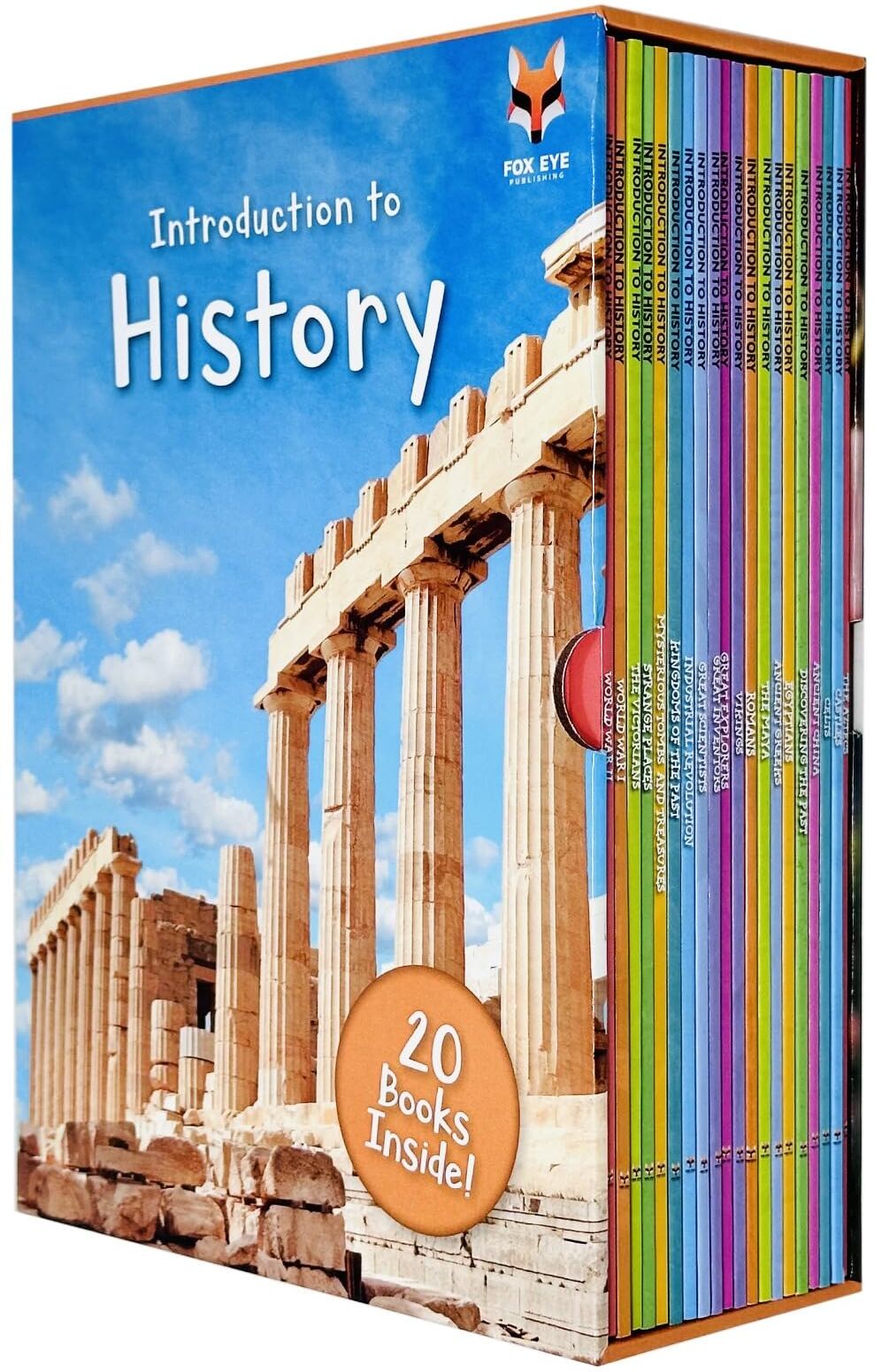
Fox Eye Publishing Introduction to History 20 Books Collection Box Set – Educational History Learning CollectionIntroduction to History 20 Books Collection Box Set (The Aztecs, Castles, Celts, Ancient China, Discovering the Past, Egyptians, Ancient Greeks, The Maya, Romans, Vikings, Great Explorers and More) Books in This Collection: Introduction to The Aztecs Introduction to Castles Introduction to Celts Introduction to Ancient China Introduction to Discovering the Past Introduction to Egyptians Introduction to Ancient Greeks Introduction to The Maya Introduction to Romans Introduction to Vikings Introduction to Great Explorers Introduction to Great Inventors Introduction to Great Scientists Introduction to Industrial Revolution Introduction to Kingdoms of the Past Introduction to Mysterious Tombs and Treasures Introduction to Strange Places Introduction to The Victorians Introduction to World War I Introduction to World War II12,99 £*Shipping: 2,99 £Secure redirect to the provider
-
What is Daru's dilemma in "L'Hôte" by Camus?
In "L'Hôte" by Camus, Daru's dilemma revolves around his sense of duty and moral responsibility. As a schoolteacher in a remote Algerian village, he is caught in the middle of the conflict between the French colonial authorities and the Arab rebels. When Daru is ordered to deliver an Arab prisoner to the authorities, he is torn between his duty as a French citizen and his empathy for the prisoner's plight. He struggles with the decision of whether to hand the prisoner over or to let him go free, knowing that either choice could have serious consequences. Daru's dilemma reflects the broader themes of moral ambiguity and the complexities of colonialism in the story. **
-
How does one stop wasting life, Albert Camus?
Albert Camus believed that one can stop wasting life by embracing the concept of the "absurd" and living in the present moment. He suggested that individuals should confront the inherent meaninglessness of life and create their own purpose and meaning. By fully engaging with the world and experiencing the beauty and joy it has to offer, one can overcome the feeling of wasting life. Camus also emphasized the importance of taking responsibility for one's actions and choices, and living authentically in accordance with one's values and beliefs. **
-
In which book did Albert Camus write that?
Albert Camus wrote the line "In the depth of winter, I finally learned that within me there lay an invincible summer" in his book "Return to Tipasa." This line reflects Camus' existentialist philosophy and his belief in the resilience of the human spirit. The book is a collection of essays and reflections on his experiences in Tipasa, Algeria, and the themes of nature, freedom, and the human condition. **
-
Is Camus' Sisyphus a happy person in consciousness?
Camus' Sisyphus is not necessarily a happy person in the traditional sense, as he is condemned to an eternity of pushing a boulder up a hill only for it to roll back down each time. However, Camus argues that Sisyphus can find happiness and fulfillment in embracing the absurdity of his situation and finding meaning in the struggle itself. Sisyphus can experience a sense of contentment and defiance in his consciousness by accepting his fate and finding purpose in the act of pushing the boulder. **
* All prices are inclusive of VAT and, if applicable, plus shipping costs. The offer information is based on the details provided by the respective shop and is updated through automated processes. Real-time updates do not occur, so deviations can occur in individual cases. ** Note: Parts of this content were created by AI.